Experience Ancient Bukhara: Ultimate Bukhara 3 Day Itinerary
Bukhara in 3 Days: The Ultimate Itinerary for Exploring Ancient Bukhara
Nestled in the heart of the beautiful Central Asian country of Uzbekistan, Bukhara stands as a testament to the rich history and cultural heritage of Uzbekistan. This ancient city, once a pivotal stop on the Silk Road, offers visitors a chance to step back in time and experience the grandeur of a bygone era.
If you’re planning a trip to Bukhara, this comprehensive 3-day itinerary will guide you through the city’s most iconic landmarks and hidden gems, ensuring you make the most of your visit to this UNESCO World Heritage Site.
Why visit Bukhara?
Rich Historical Legacy: Bukhara is a UNESCO World Heritage city with over 2,000 years of history and remarkable Islamic architecture.
Architectural Marvels: The city boasts iconic landmarks like the Kalyan Minaret and Ismail Samani Mausoleum, showcasing its architectural splendour.
Cultural Experience: Enjoy vibrant markets, traditional teahouses, and local cuisine that reflect Bukhara’s rich cultural heritage.
Scenic and Serene Atmosphere: Explore tranquil sites such as the Chashmai Ayub Mausoleum and Sitorai Mokhi Khosa Palace for a peaceful and immersive travel experience.
Bukhara is an amazing city. There is so much history to learn and incredible sights to see. If you have 3 days in Bukhara, then you’ll love this itinerary of the main attractions of the old city.
Day 1: Exploring the Ancient Heart of Bukhara
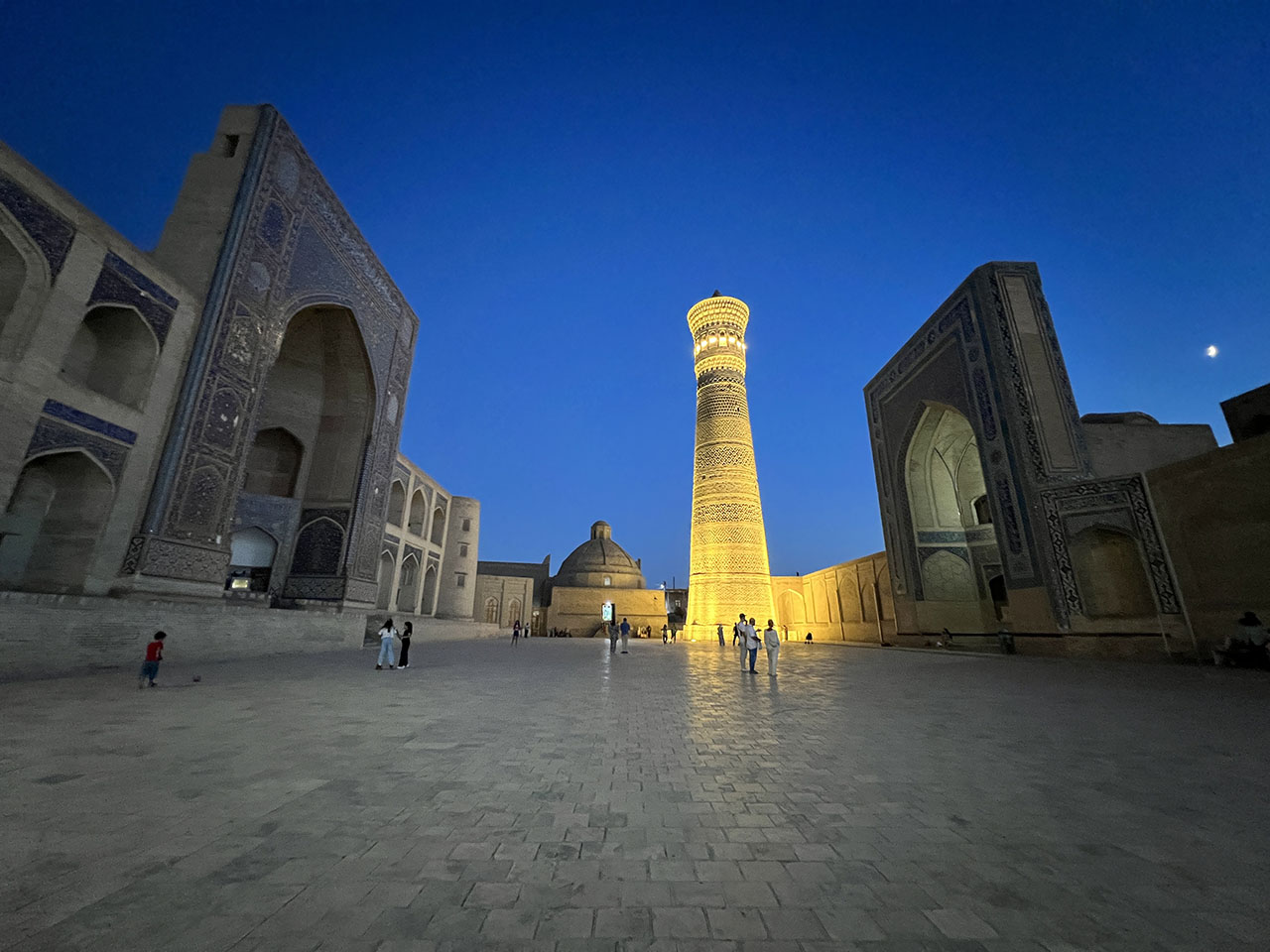
1. Kalyan Mosque and Minaret
– Visit the 12th-century Kalyan Mosque and Minaret
– The Kalyan Minaret is famously known as the “Tower of Death”
– The mosque’s courtyard holds up to 10,000 worshippers
Start your day and your journey through ancient Bukhara with a visit to the awe-inspiring Kalyan Mosque and Minaret. Originally built in the 12th century, this architectural marvel has stood the test of time and remains one of the most significant structures in the city.
The Kalyan Minaret, also known as the “Tower of Death,” rises 47 meters into the sky and was once used to execute criminals by throwing them from its top. Today, it serves as a symbol of Bukhara’s enduring spirit and rich history.
As you approach the complex, you’ll be struck by the intricate brickwork and stunning blue domes that characterize Central Asian Islamic architecture. The Kalyan Mosque, with its vast courtyard capable of accommodating up to 10,000 worshippers, is a must-see when visiting Bukhara.
Take your time to explore the mosque’s interior, adorned with beautiful mosaics and calligraphy, and soak in the peaceful atmosphere that has drawn pilgrims for centuries.
Outside the mosque stands the minaret. It is said that the only reason it survived an invasion from Genghis Khan is because his hat fell off when he looked up at it.
Another interesting fact about the minaret is you can see where it was damaged when Russia invaded the city. Go to the back of the minaret and look for the sections of bricks that are differently coloured.
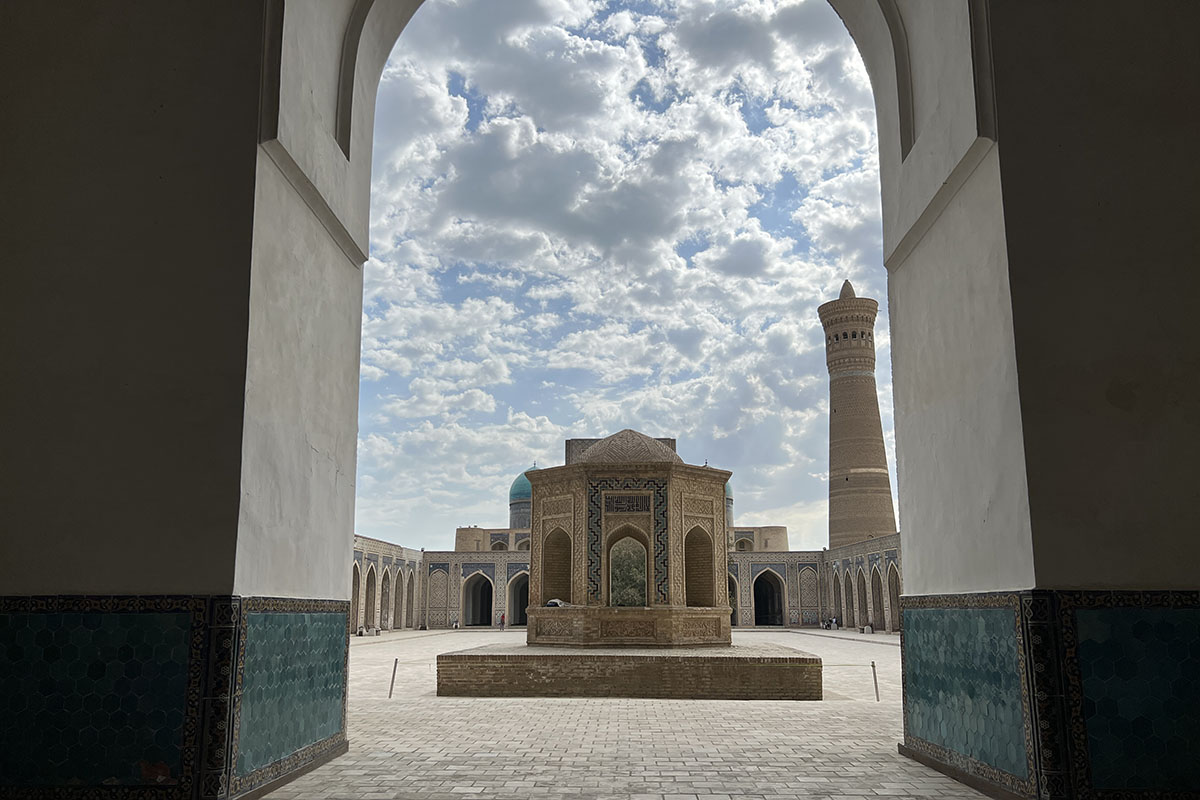
2. Mir Arab Madrasa
– A historic madrasa still in use today, representing Bukhara’s Islamic education roots
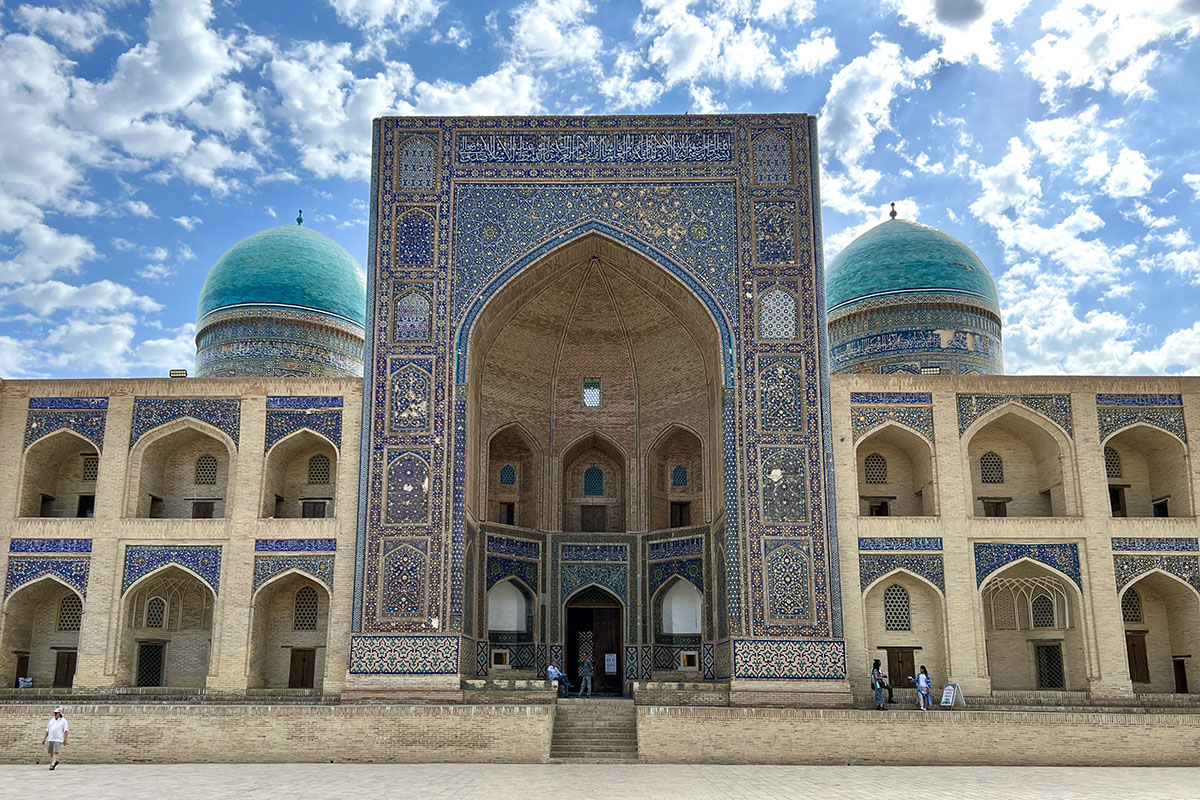
Adjacent to the Kalyan Mosque, you’ll find the Mir Arab Madrasa, a historic Islamic school that continues to operate to this day. This institution represents Bukhara’s deep-rooted tradition of Islamic education and scholarship.
While visitors are typically not allowed inside due to its active status as a religious school, the exterior facade is a masterpiece of 16th-century architecture, featuring intricate tile work and imposing twin domes.
3. Toqi Trading Dome
– Ancient trading domes of Bukhara, important stops on the Silk Road.
– A look at the different domes, including the Toqi Zargaron (jewelry) and Toqi Sarrofon (money changers)
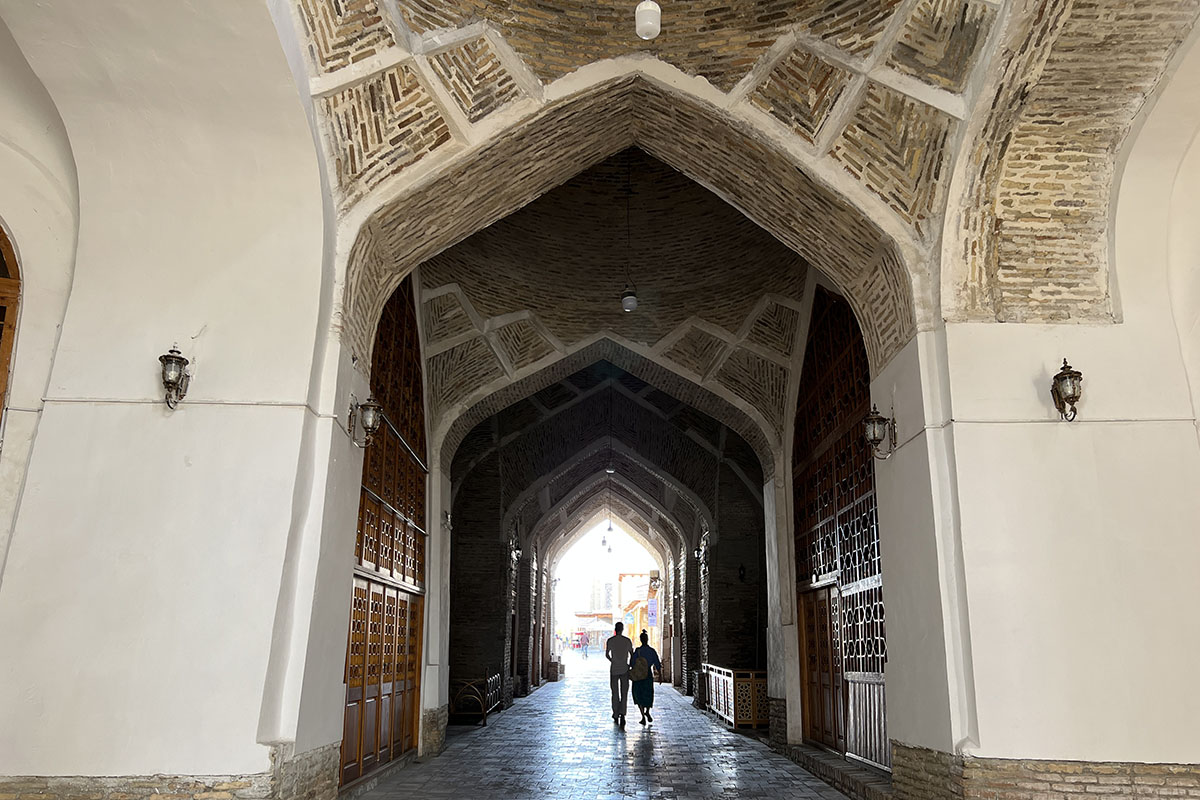
As you continue your morning exploration, make your way to the Toqi Trading Dome. These ancient trading domes were once bustling marketplaces and vital stops along the Silk Road. Today, they offer a glimpse into Bukhara’s commercial past and present.
Be sure to visit the different domes, including:
– Toqi Zargaron (Jewelers’ Dome): Browse exquisite jewelry and admire the craftsmanship of local artisans.
– Toqi Sarrofon (Moneychangers’ Dome): Imagine the clinking of coins and the hustle of ancient currency exchange.
– Toqi Telpak Furushon (Cap Makers’ Dome): Explore traditional Uzbek headwear and textiles.
These domes not only showcase Bukhara’s trading history but also provide excellent opportunities for souvenir shopping and experiencing local culture.
Best of Bukhara: All Day Private Old Town Tour
The best part about having a guide is learning so much more than you ever would on your own! For a great tour, check out the one below:
4. Ark of Bukhara
– A citadel and the ancient residence of the Emirs of Bukhara
– Brief history of its use as a fortress, palace, and governmental centre
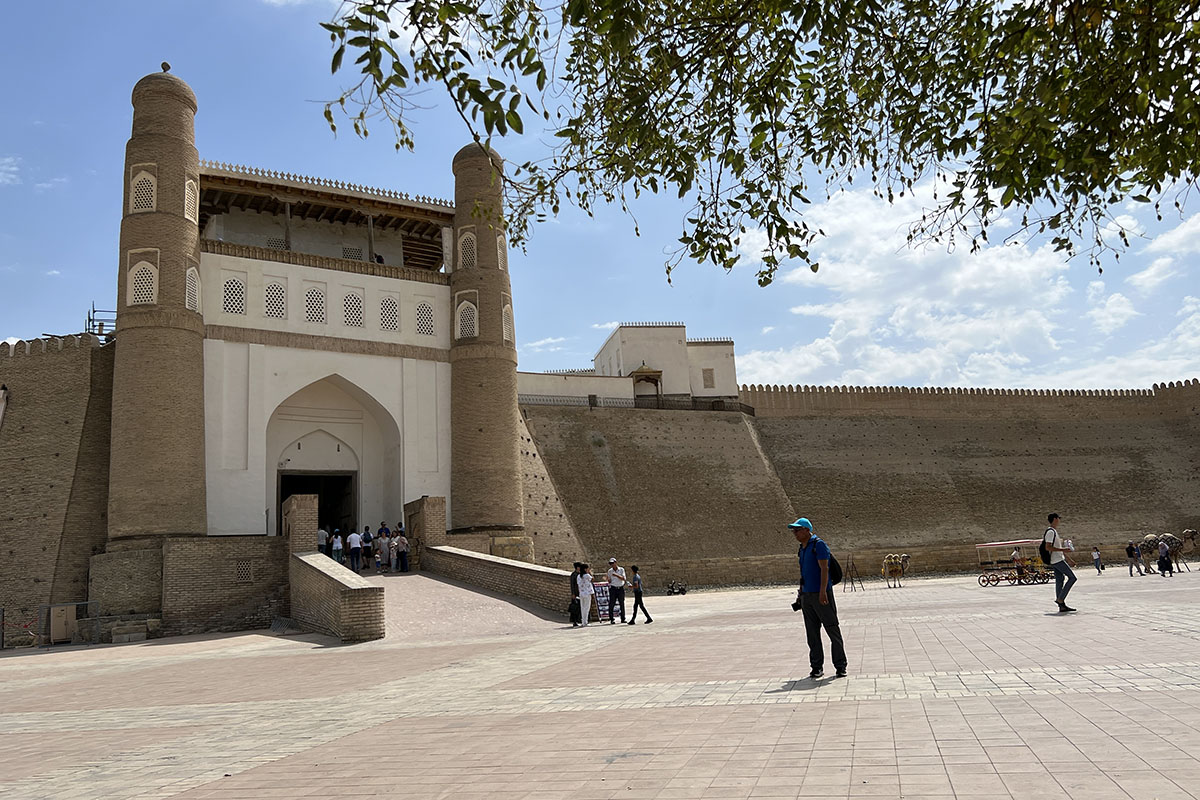
As the sun climbs higher, make your way to the imposing Ark of Bukhara. This massive fortress, located in the heart of the old city, served as the residence of the Emirs of Bukhara for centuries.
The Ark’s history spans over a millennium, with its foundations dating back to the 5th century. As you approach the towering walls, imagine the power and influence that once emanated from this citadel.
Inside the Ark, you’ll find a complex of buildings that once housed the royal court, government offices, and even a mint. Take time to explore the various exhibits within the fortress, which now functions as a museum.
Learn about the last Emir of Bukhara and the dramatic fall of the Emirate in the early 20th century. The view of Bukhara City from the top of the Ark’s walls is breathtaking and offers a perfect photo opportunity.
5. Bolo Hauz Mosque
– Famous for its wooden columns and ornate design
– A place of worship with a unique architectural style
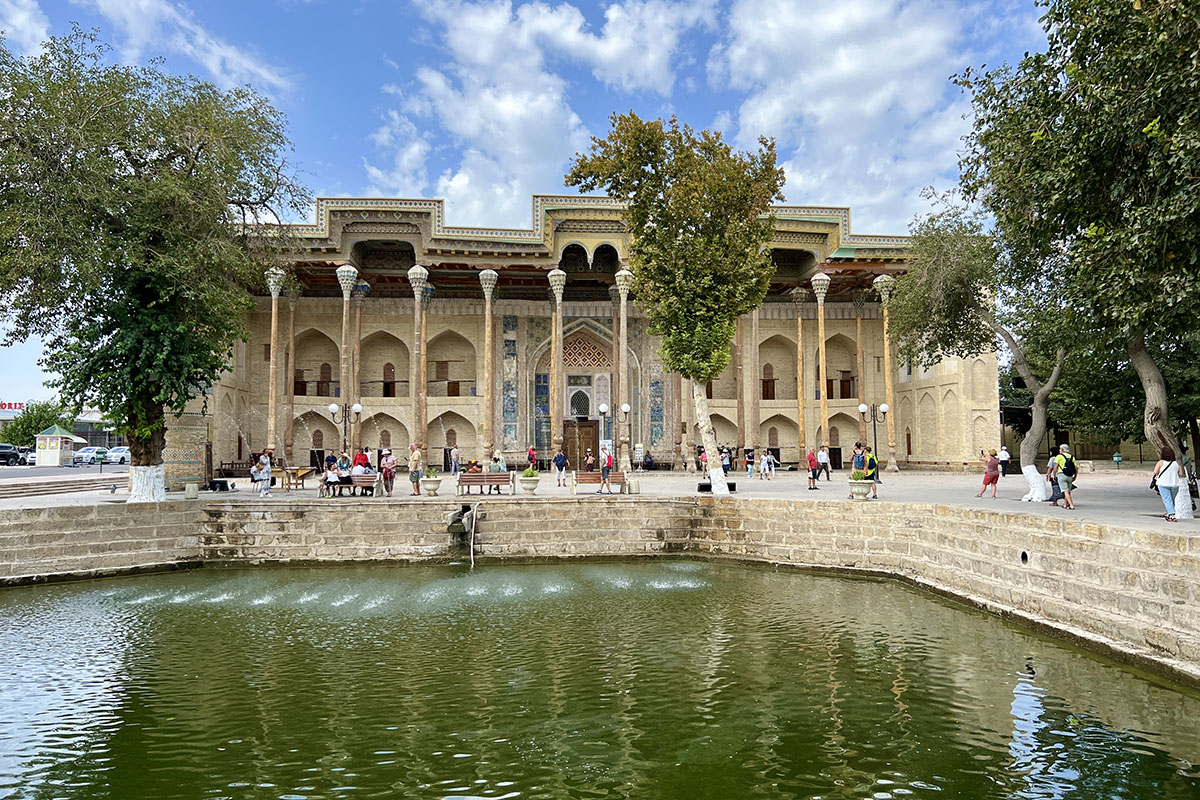
Just across from the Ark, you’ll find the Bolo Hauz Mosque, also known as the Mosque of Forty Pillars. This 18th-century structure is famous for its beautiful wooden columns and ornate design.
The mosque’s reflection in the hauz (pool) in front of it creates a mesmerizing effect, especially in the early morning or late afternoon light.
Take a moment to appreciate the craftsmanship of the carved wooden columns and the peaceful atmosphere of this still-active place of worship. I would say it was the most peaceful place to visit in Bukhara.
6. Chashma Ayub Mausoleum
– Also known as the “Spring of Job,” this mausoleum houses an ancient well believed to have healing properties
– Now a museum about the history of Bukhara’s water supply
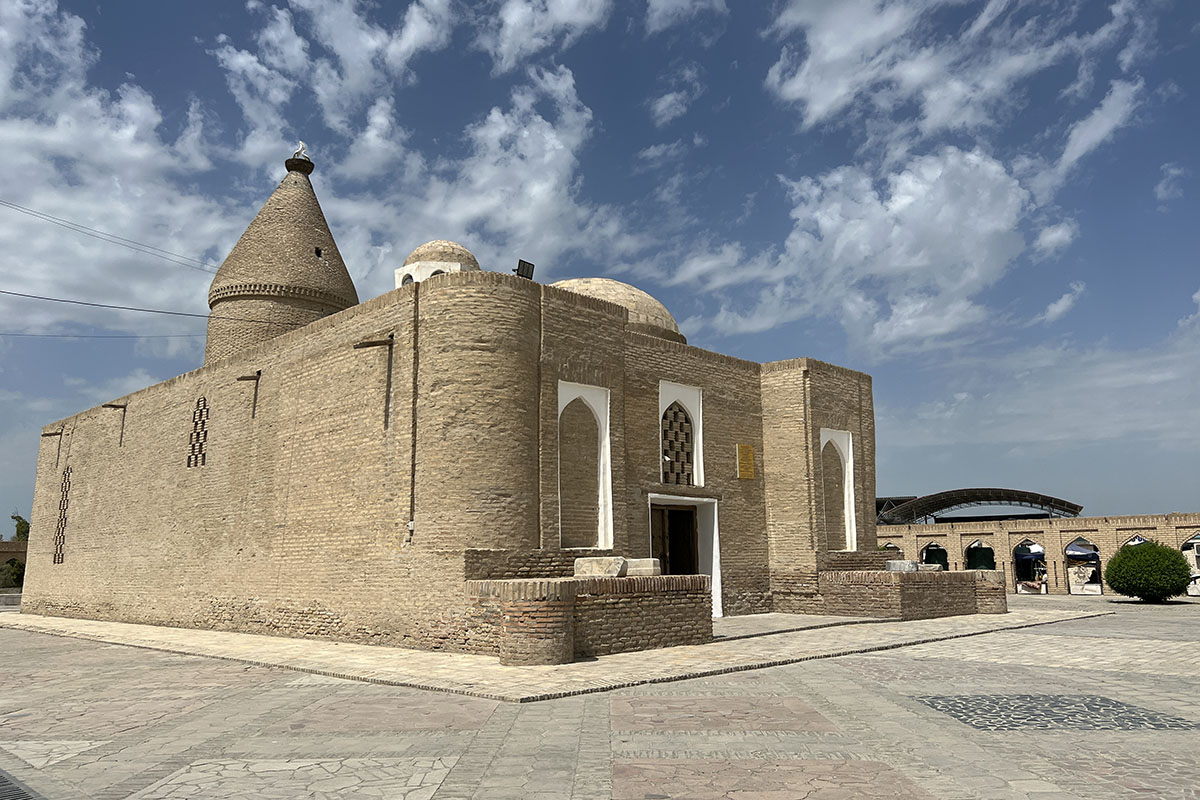
Before breaking for lunch, visit the Chashma Ayub Mausoleum, also known as the “Spring of Job.” This 12th-century building houses an ancient well believed to have healing properties.
According to legend, the prophet Job (Ayub) struck the ground with his staff, causing a spring to appear. The mausoleum’s distinctive conical dome sets it apart from other structures in Bukhara and reflects architectural influences from Khorezm.
7. Ismail Samani Mausoleum
– One of Bukhara’s oldest monuments, built in the 10th century.
– This mausoleum is a masterpiece of early Islamic architecture and an important burial site
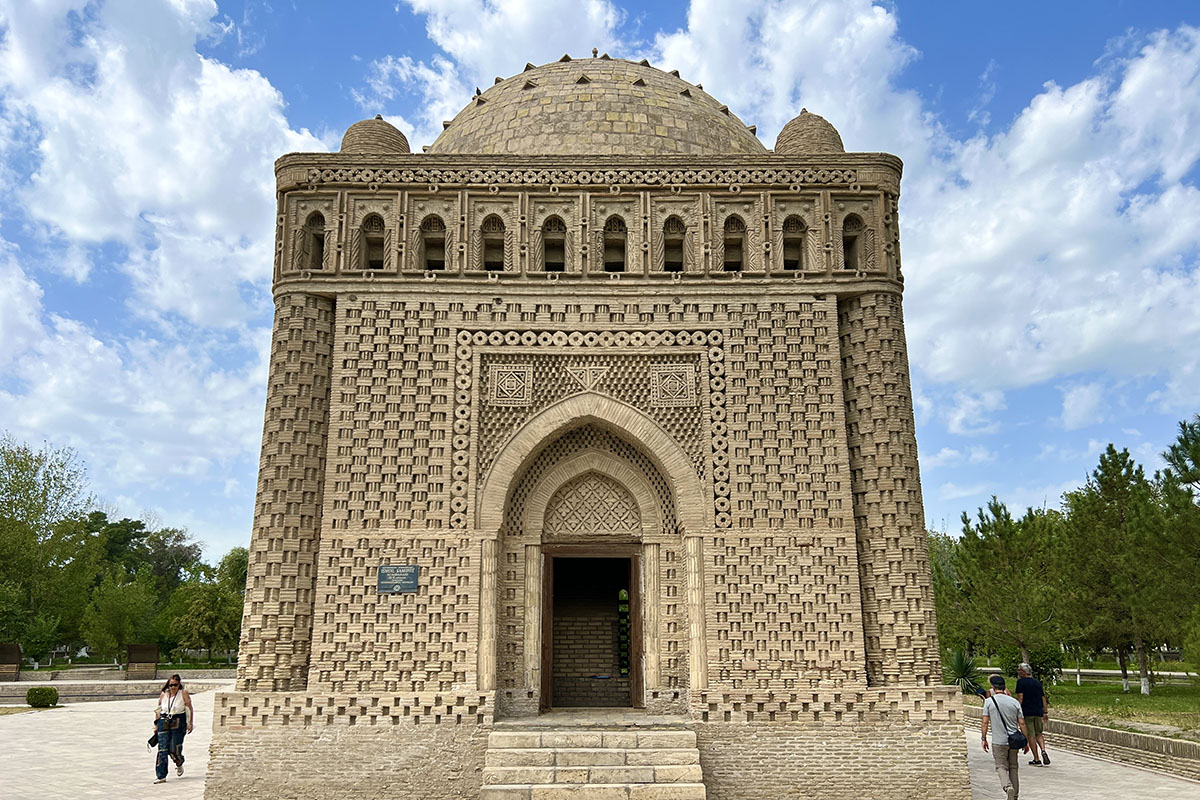
No visit to Bukhara is complete without seeing the Ismail Samani Mausoleum, one of the city’s oldest and most revered monuments.
Built in the 10th century, this mausoleum is a masterpiece of early Islamic architecture and serves as the final resting place of Ismail Samani, the founder of the Samanid dynasty.
The intricate brickwork and geometric patterns covering the entire structure showcase the exceptional craftsmanship of the time. As you circle the mausoleum, notice how the play of light and shadow on the brickwork creates different patterns throughout the day.
8. Abdullakhan Madrasa & Modari Khan Madrasa
– Twin madrasas showcasing architectural grandeur.
– Explore the detailed tilework and craftsmanship of these educational institutions
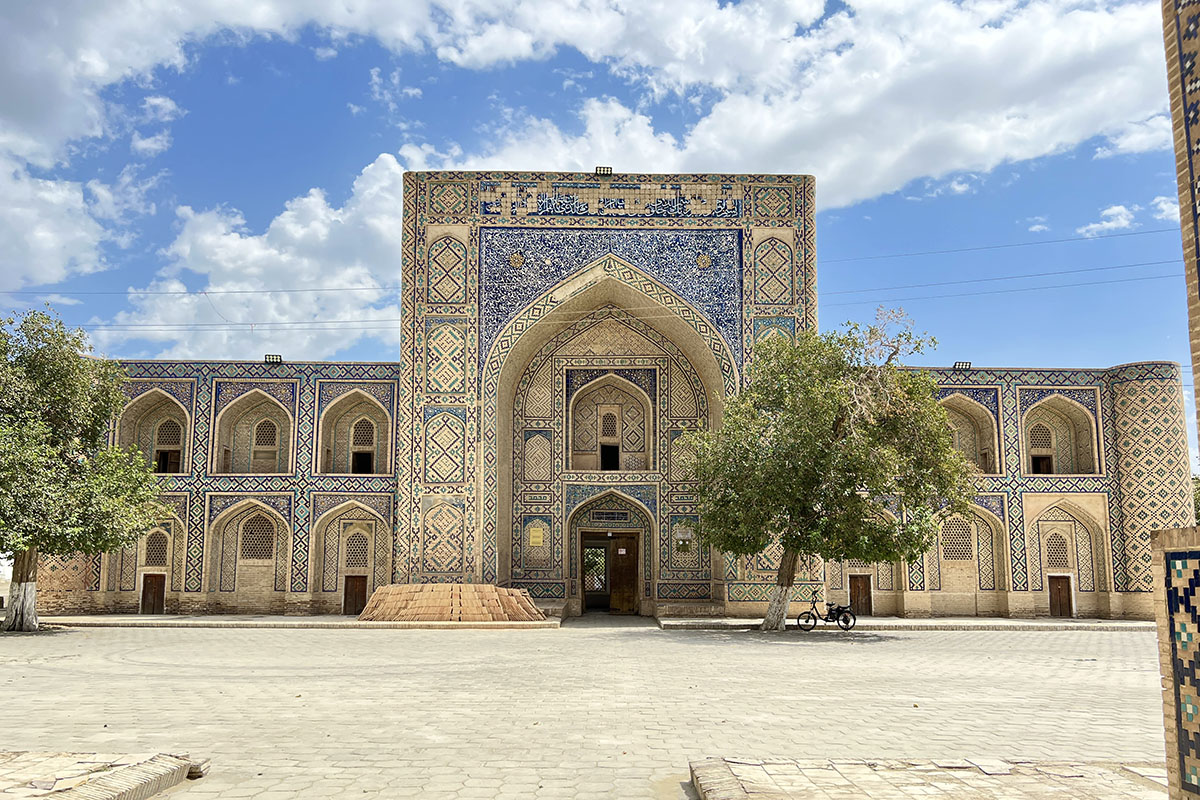
Conclude your morning with a visit to the twin madrasas of Abdullakhan and Modari Khan. These 16th-century educational institutions stand as testaments to Bukhara’s importance as a center of Islamic learning.
While both madrasas are no longer active schools, their grand portals, ornate tilework, and spacious courtyards offer insight into the life of students and scholars in medieval Bukhara.
Take time to admire the detailed craftsmanship and imagine the bustling activity that once filled these halls of learning.
9. Lunch Break
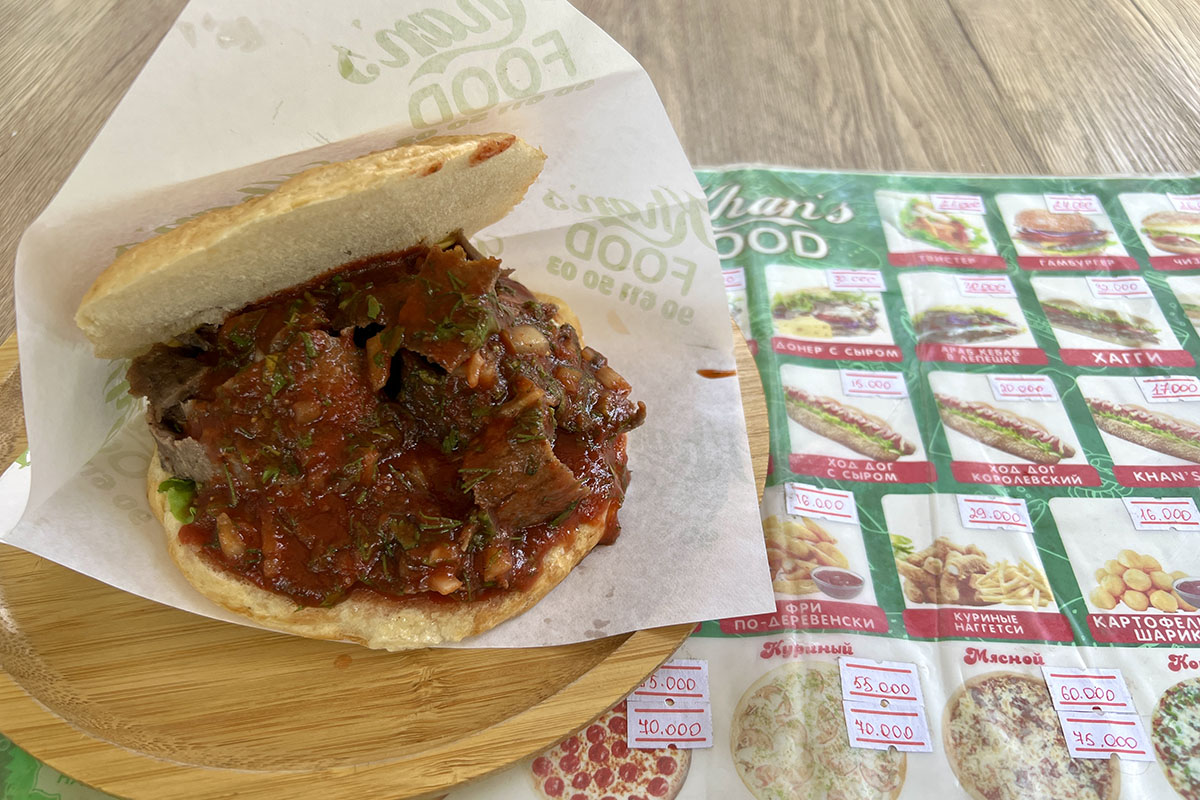
After a morning filled with sightseeing, it’s time to refuel with some authentic Uzbek cuisine. Head to one of the local eateries near the old town for a taste of traditional dishes such as:
– Plov: Uzbekistan’s national dish, a hearty rice pilaf with meat and vegetables.
– Lagman: A savory noodle soup with vegetables and meat.
– Shashlik: Skewered and grilled meat, often served with onions and tomatoes.
Try to find a restaurant with a view of one of Bukhara’s historic sites for an immersive dining experience.
10. Abdulaziz Khan Madrasa
– The exquisite beauty of this madrasa, showcasing a blend of Persian, Indian, and European motifs
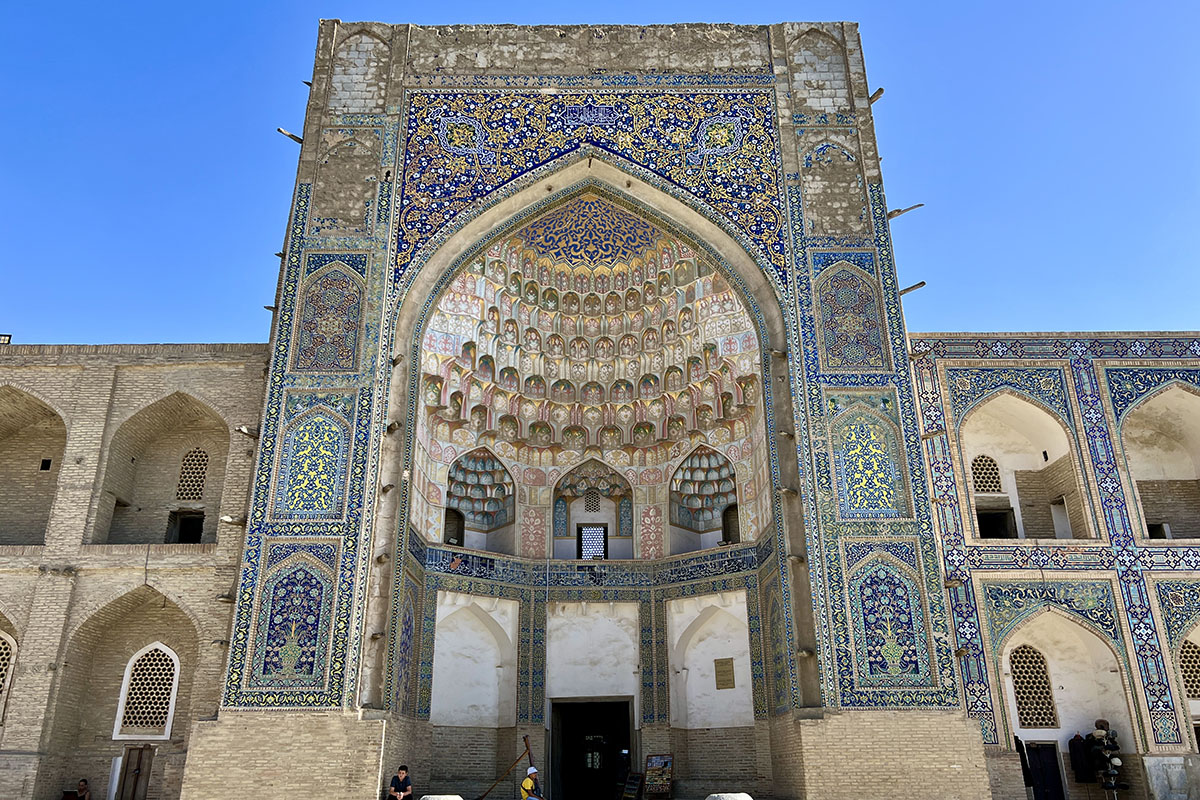
After lunch, continue your exploration with a visit to the Abdulaziz Khan Madrasah.
Built in the 17th century, this madrasa is renowned for its exquisite beauty, showcasing a unique blend of Persian, Indian, and European motifs.
The intricate mosaics and painted ceilings are particularly noteworthy, offering a stark contrast to the more austere designs of earlier madrasas in Bukhara.
11. Ulug’bek Madrasa
– Built by the Timurid ruler Ulugbek, known for its symmetrical design and spiritual significance
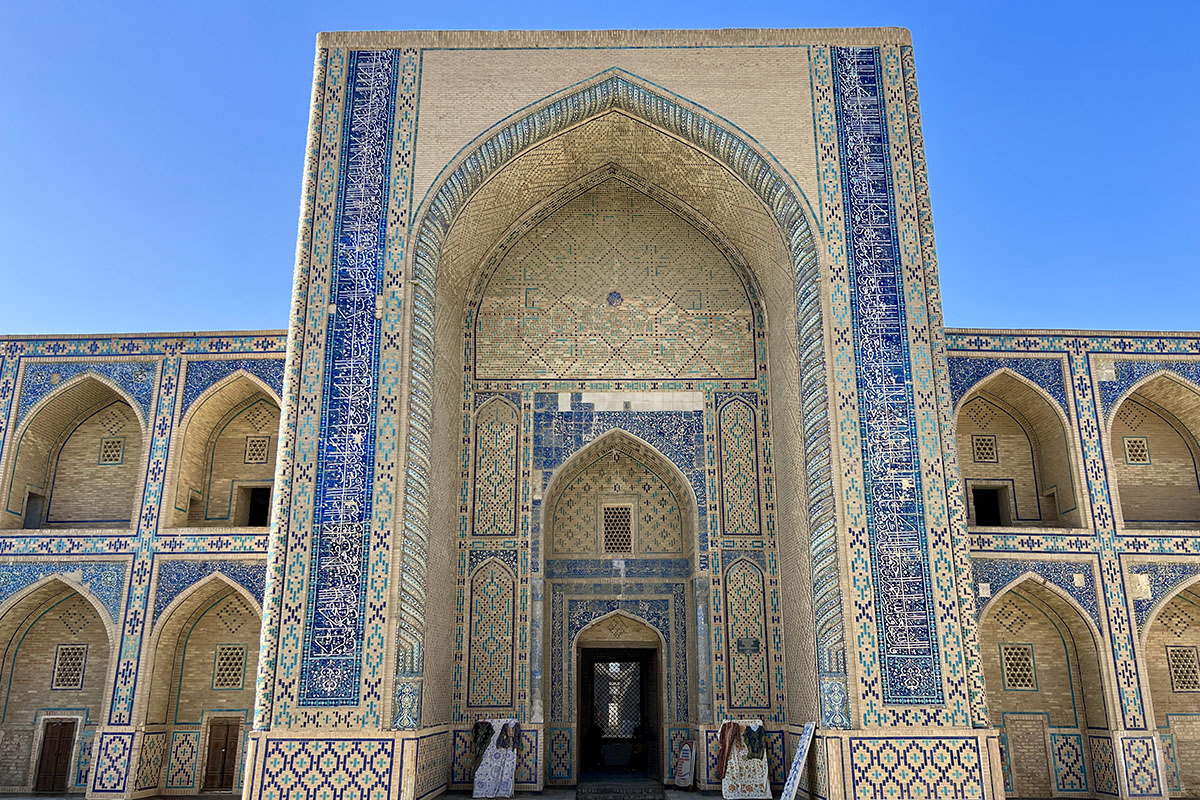
Directly across from the Abdulaziz Khan Madrasa stands the older Ulugbek Madrasa, built by the famous Timurid ruler and astronomer Ulug’bek in the 15th century.
Known for its symmetrical design and spiritual significance, this madrasa was one of the best religious schools in the entire Muslim world during its time.
Compare the architectural styles of these two facing madrasas and notice how Islamic design evolved over the centuries in Bukhara.
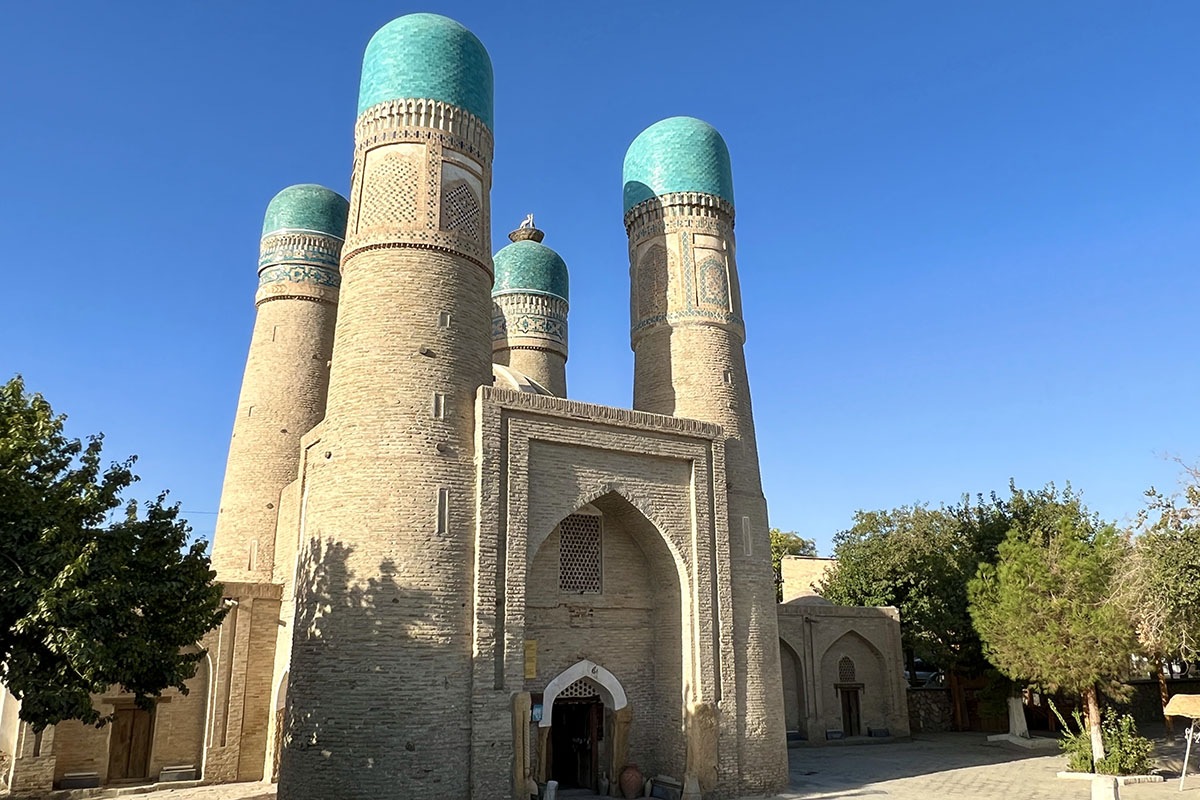
12. Chor Minor Madrasa
– A hidden gem in Bukhara with its iconic four minarets, each representing a different culture of the ancient world
As the afternoon progresses, make your way to the charming Chor Minor Madrasa. This location is a little further away than the main city attractions, but it was interesting to walk through the narrow streets of Bukhara to find this site.
This hidden gem of Bukhara is instantly recognizable by its four minarets, all distinctively blue-domed. Built in the early 19th century, each minaret is said to represent a different culture of the ancient world.
Although small in size compared to other madrasas, the Chor Minor’s unique design makes it a favourite among photographers and architecture enthusiasts.
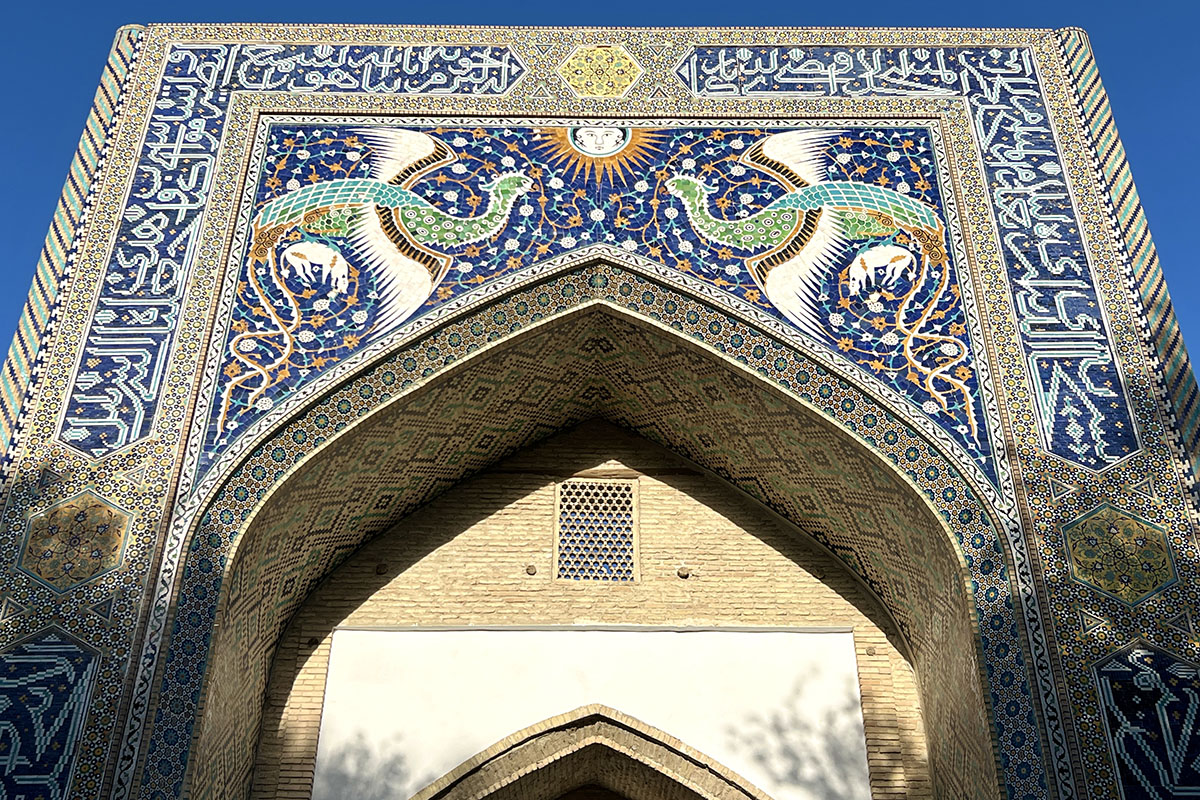
13. Nodir Devonbegi Khanaka
– Famous for its courtyard and the beautiful facade depicting mythical creatures
– Once a caravanserai, this building has an air of mystique and now serves as a cultural hub
Yes, another madrassah. They are just so beautiful! Here you’ll find the Nadir Divan Begi Madrasah.
Originally serving as a caravanserai and later as a Sufi order lodge, this building now functions as a cultural centre. Its tranquil atmosphere and beautiful architecture make it an excellent place to rest and reflect on the day’s discoveries.
The khanaka’s location near one of Bukhara’s remaining water reservoirs (hauz) adds to its picturesque setting.
14. Dinner
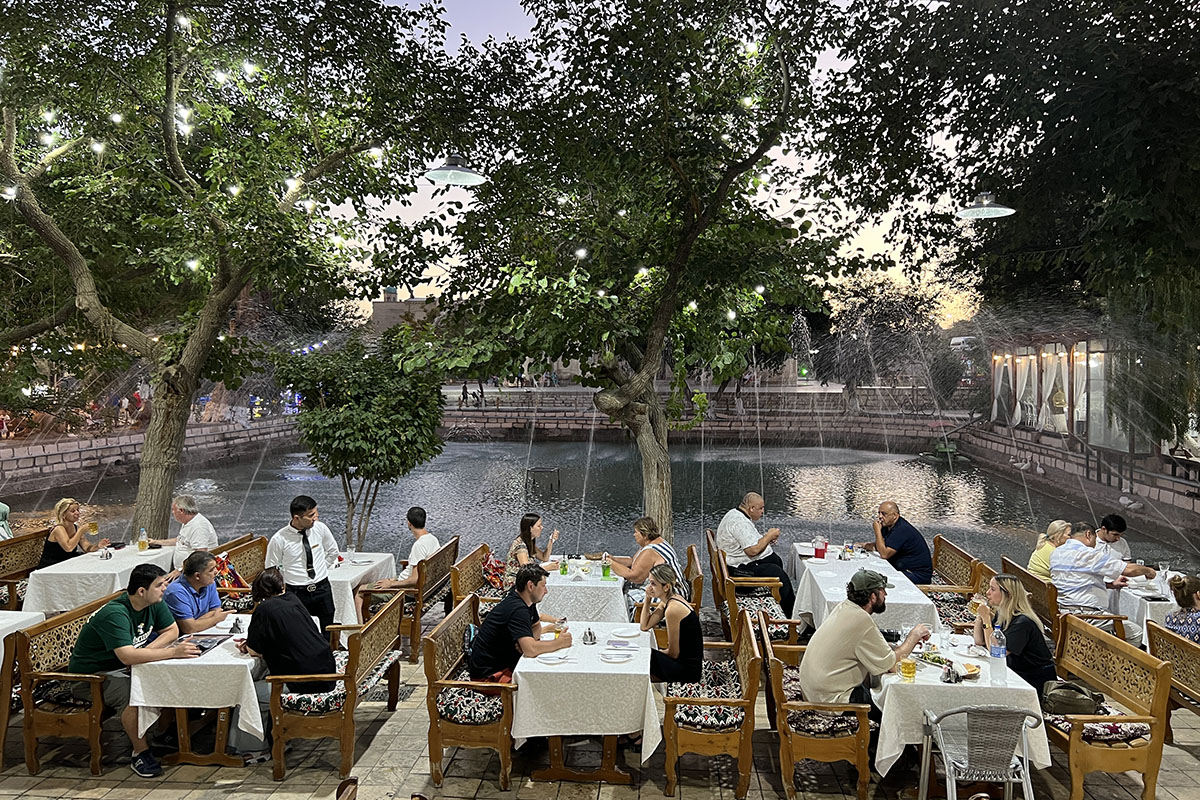
As the sun sets on your first day in Bukhara, treat yourself to a memorable dinner at one of the city’s atmospheric restaurants. Many establishments offer traditional Uzbek cuisine with a view of illuminated historical monuments.
Consider trying some local specialties like Bukhara plov, known for its unique preparation method and rich flavors. Don’t forget to pair your meal with a pot of fragrant Uzbek green tea, a staple of Central Asian hospitality.
I dined at Labi Hovuz because the atmosphere was delightful. The food was really good and I had an amazing time sitting peacefully alongside the water during dinner.
Day 2: Delving Deeper into Bukhara’s Hidden Treasures
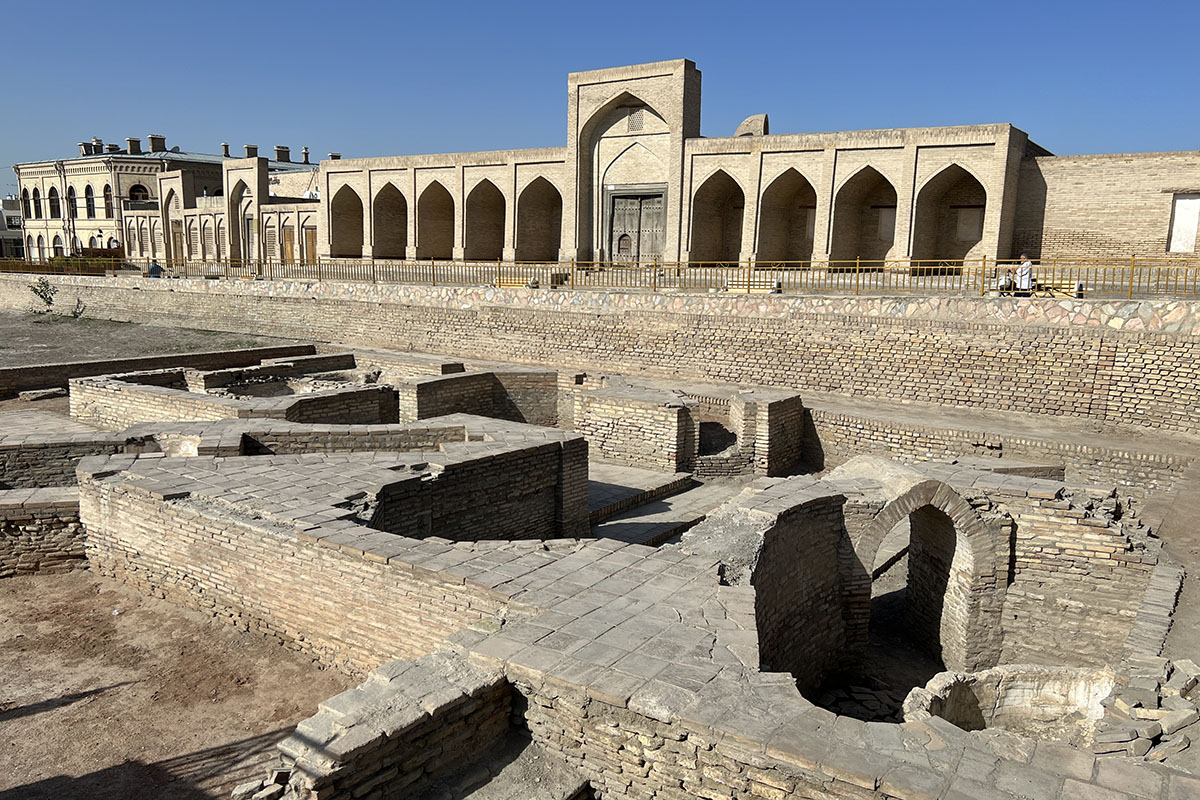
1. Old Bath House and Caravansary Ruins
– A glimpse into the past with ancient ruins that once served travelers on the Silk Road
Start your second day with a visit to some of Bukhara’s lesser-known sites.
Begin with a visit to the old bath house and caravansary ruins. These ancient structures offer a glimpse into the daily life of travelers and merchants who once traversed the Silk Road.
As you walk among the ruins, imagine the bustling activity that once filled these now-quiet spaces.
2. Magoki Attori Mosque
– The oldest mosque in Bukhara, originally a Zoroastrian temple, showcasing its layered history
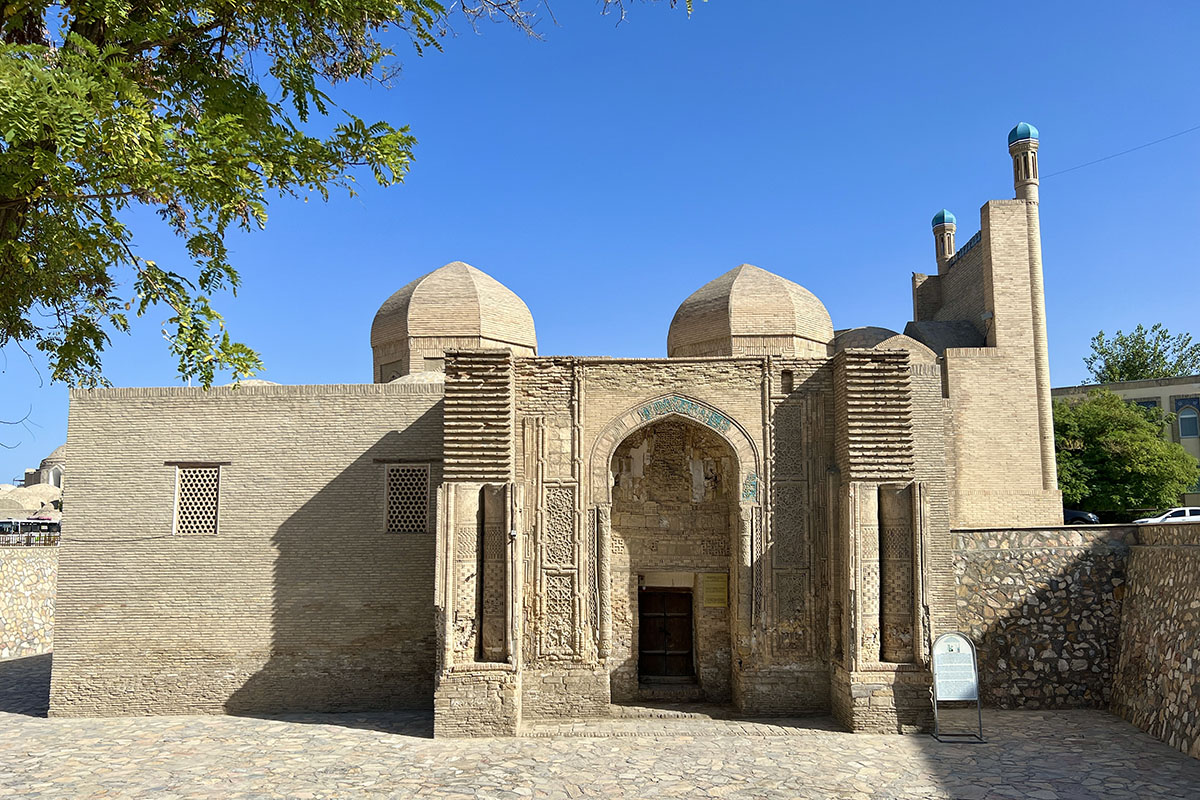
Next, make your way to the Magoki Attori Mosque, considered the oldest surviving mosque in Bukhara.
Originally built as a Zoroastrian temple, this structure has a layered history that spans over a millennium. The mosque’s partially subterranean design and the remnants of earlier structures visible in its foundations make it a fascinating study in architectural archaeology.
3. Khoja Kalan Mosque and Minaret
– Explore this lesser-known site with stunning minarets and detailed brickwork
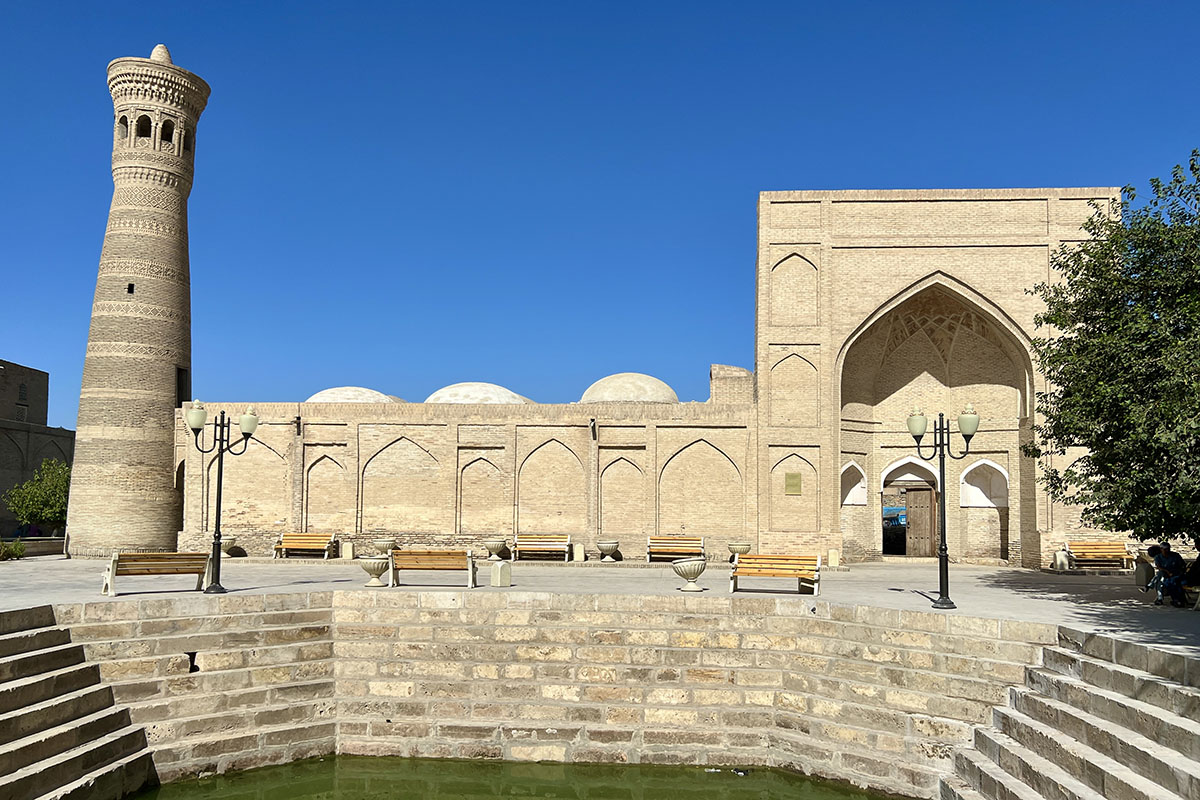
Continue your morning with a visit to the less-frequented Khoja Kalan Mosque and Minaret. This complex, while not as famous as some of Bukhara’s other landmarks, boasts stunning minarets and detailed brickwork that rival its more well-known counterparts.
Take time to appreciate the quiet beauty of this often-overlooked site.
4. Abdurahmoni Alan Madrasa
– A beautiful madrasa with intricate tilework and Islamic calligraphy
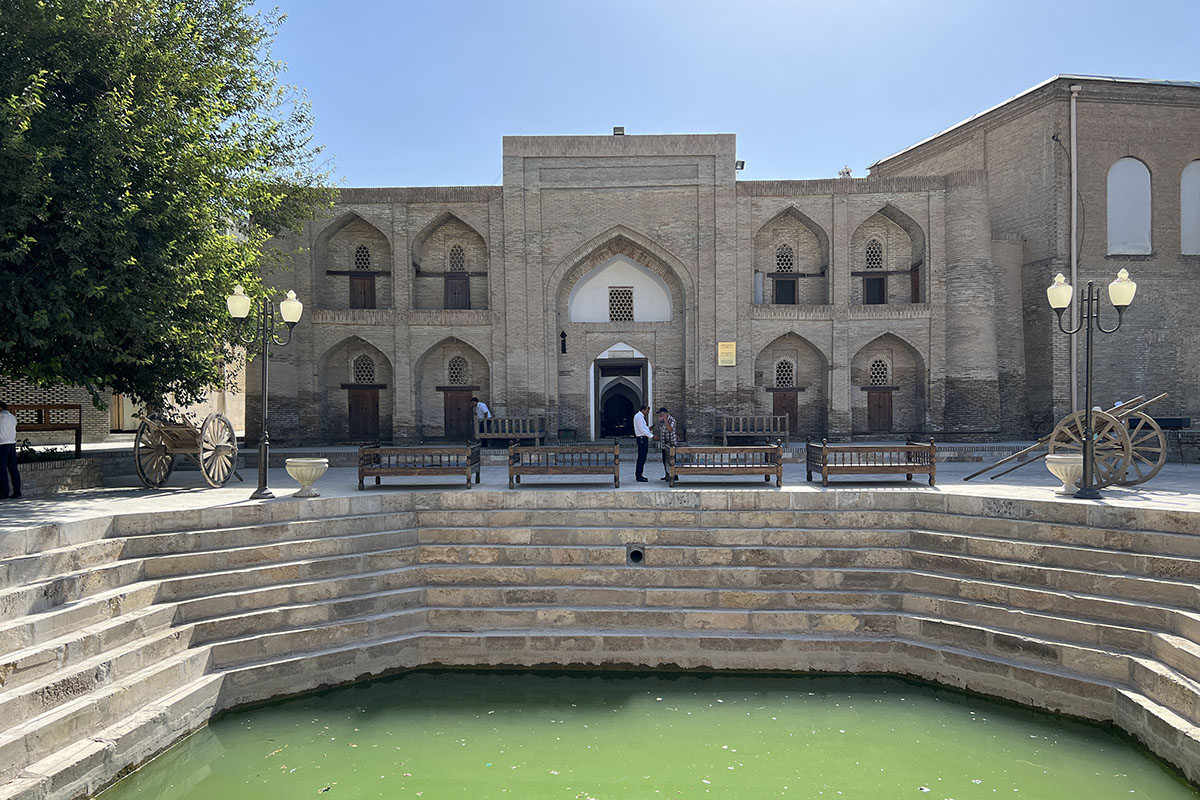
Before mid-morning, stop by the Abdurahmoni Alan Madrasa. This beautiful educational institution showcases intricate tilework and Islamic calligraphy.
While smaller than some of Bukhara’s grander madrasas, its intimate scale allows for a more detailed appreciation of the craftsmanship involved in its construction.
5. Olimjon Caravansary
– A look into Bukhara’s trading history through this restored caravansary, once a resting place for traders and merchants
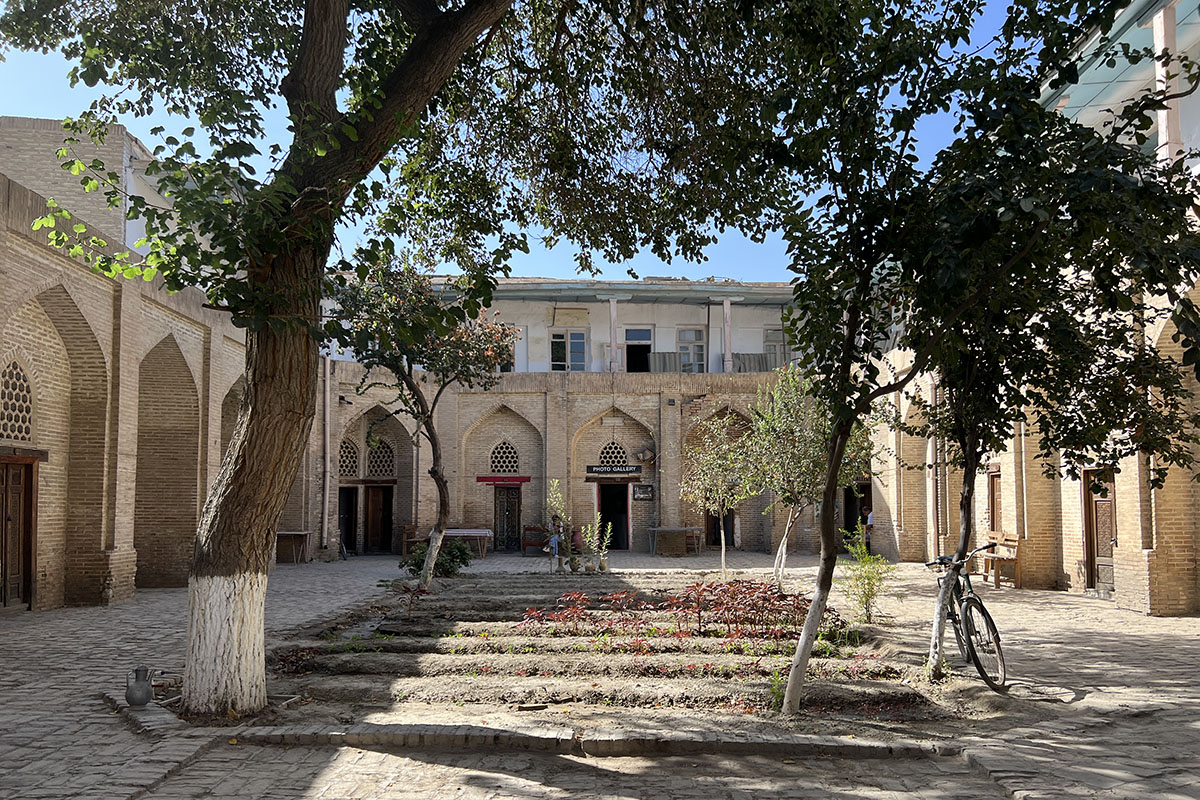
As you approach mid-morning, explore the restored Olimjon Caravansary. This structure offers insight into Bukhara’s trading history, serving as a former resting place for merchants and travellers.
Today, it houses various craft workshops and souvenir shops, allowing visitors to experience a modern interpretation of its historical function.
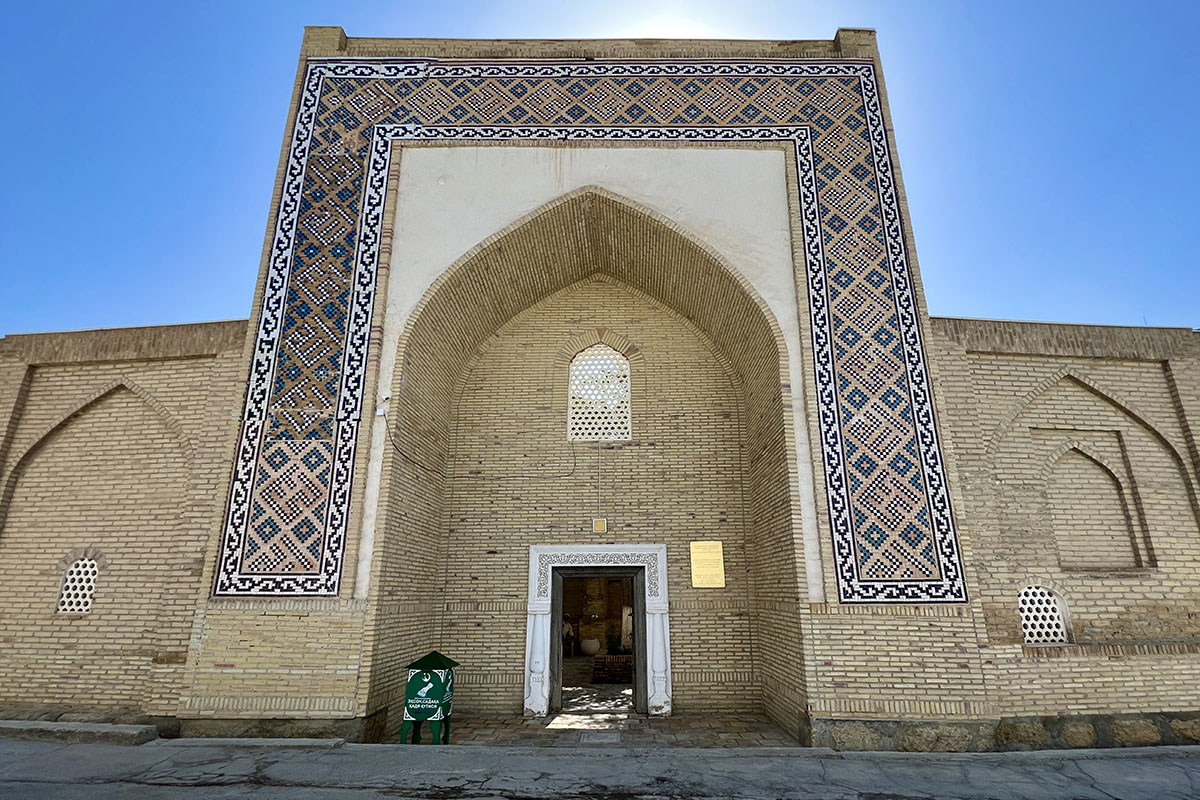
6. Turki Jandi Mausoleum
– A small, lesser-known mausoleum offering a quiet and contemplative space
For a moment of quiet contemplation, visit the small Turki Jandi Mausoleum.
This lesser-known site offers a peaceful retreat from the more crowded attractions and provides an opportunity to reflect on Bukhara’s spiritual heritage.
7. Old Dawarza (Gate)
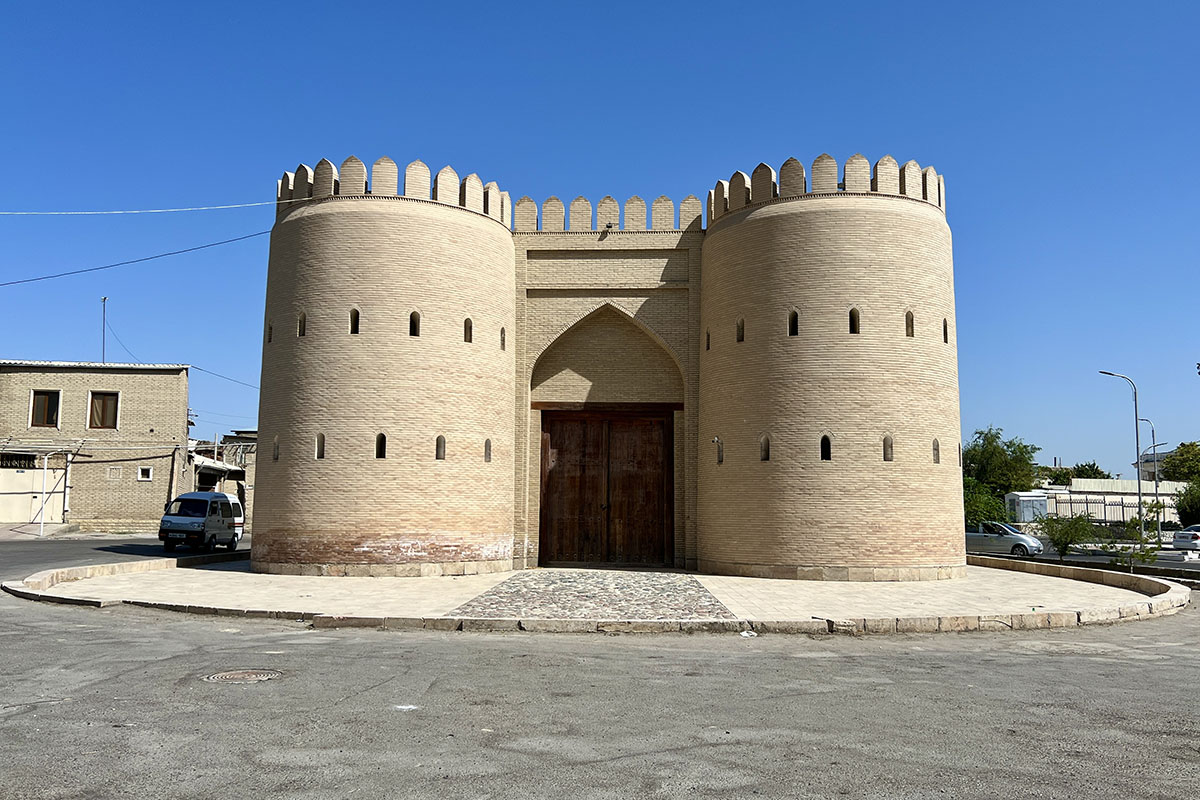
– Explore one of the old city gates, remnants of Bukhara’s fortified walls
Before lunch, explore one of Bukhara’s old city gates, known as Dawarza.
These remnants of the city’s fortified walls offer a tangible link to Bukhara’s past as a fortified desert oasis and important trading post.
8. Lunch Break
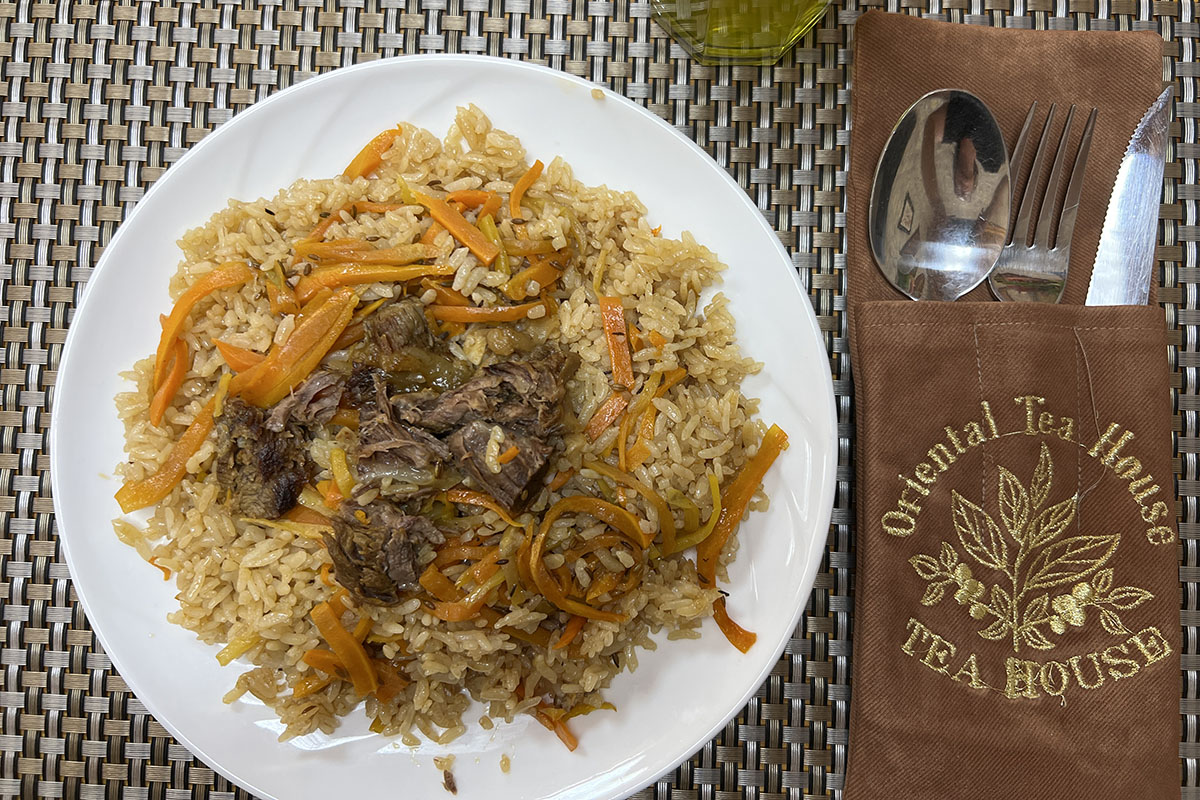
For lunch on your second day, seek out a local chaikhana (teahouse) or a family-run restaurant away from the main tourist areas. This is your chance to sample more traditional Uzbek dishes and experience authentic local hospitality. Consider trying:
– Shurpa: A hearty meat and vegetable soup.
– Manti: Steamed dumplings filled with meat or pumpkin.
– Samsa: Savory pastries similar to samosas, often filled with meat and onions.
9. Zindon (Dungeon/Prison)
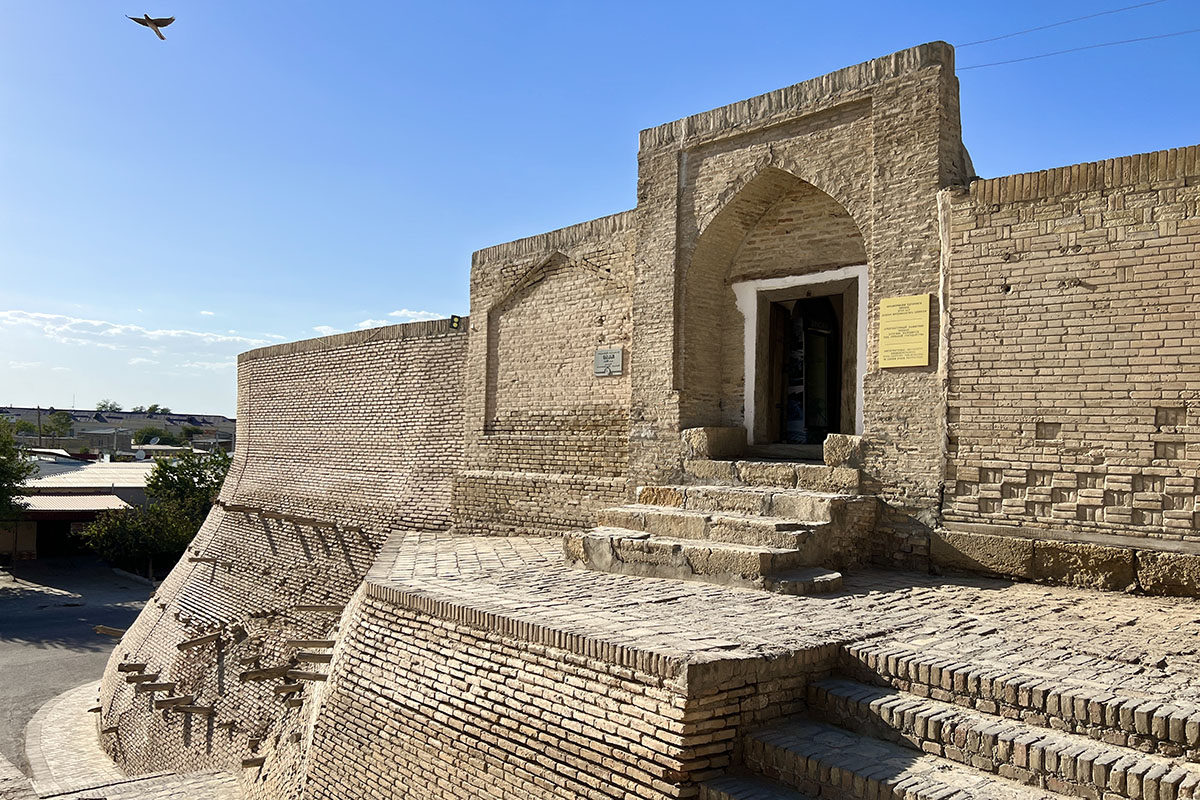
– Visit Bukhara’s notorious Zindon, once a feared dungeon where prisoners were held in inhumane conditions
After lunch, visit Bukhara’s notorious Zindon, the city’s historical dungeon. This grim reminder of the darker aspects of Bukhara’s past offers insight into the harsh justice system of the Emirate.
The “bug pit,” where prisoners were kept in inhumane conditions, is particularly sobering.
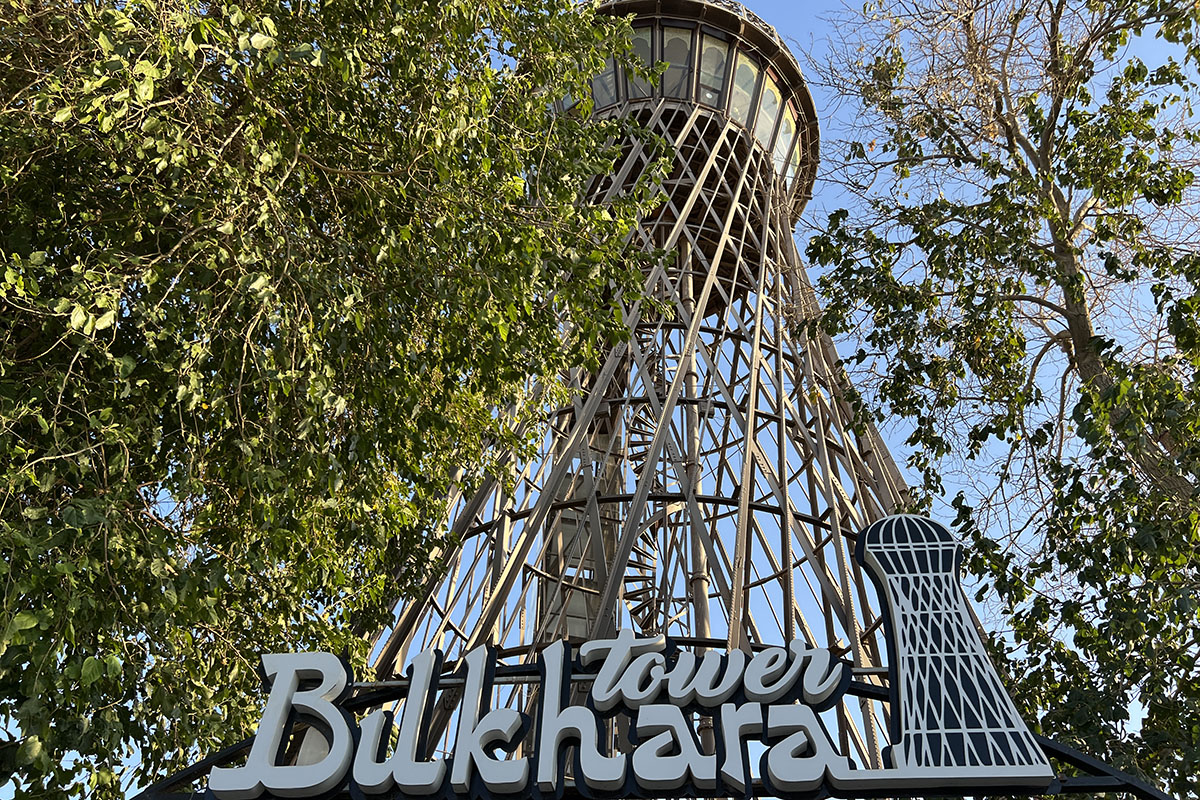
10. Bukhara Tower
– Panoramic views of the city from the top of the Bukhara Tower, a modern-day landmark
For a change of perspective, ascend the modern Bukhara Tower. Although not a historical structure, it offers panoramic views of the city, allowing you to appreciate the layout of the old town and spot the domes and minarets you’ve explored over the past two days.
13. Dinner
For dinner on your second evening, consider dining in a traditional teahouse or a restored merchant’s house turned restaurant. Many of these establishments offer not just excellent food but also cultural performances such as traditional music or dance.
This is your opportunity to immerse yourself in Uzbek culture while reflecting on the day’s discoveries.
If you only have 2 days in Bukhara, then consider your itinerary at a conclusion here. But if you have another day to spend in Bukhara, there are still a couple more places worth a visit to check out.
Day 3: Royal Palaces and Scenic Views
1. Central Bazaar Walk
– Explore the Central Bazaar to experience local life, shop for souvenirs, and observe the vibrant market culture
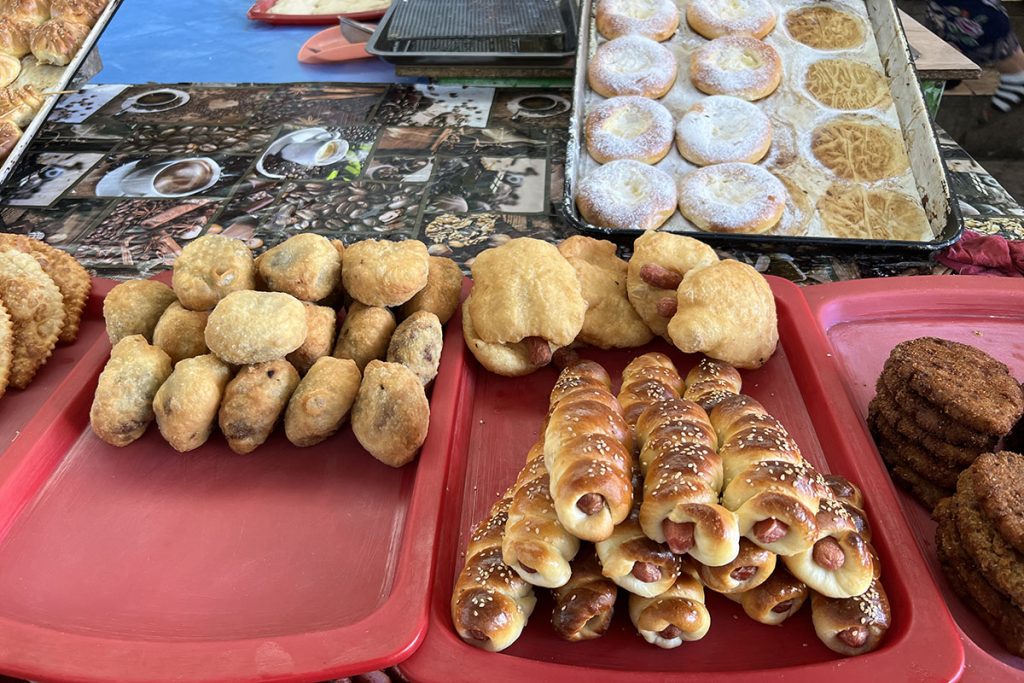
Spend the remainder of your afternoon exploring Bukhara’s Central Bazaar. This vibrant market is the perfect place to experience local life, shop for souvenirs, and observe the continuation of Bukhara’s trading traditions. Look for:
– Handmade carpets and textiles
– Ceramic dishes and decorative items
– Spices and dried fruits
– Traditional Uzbek knives
Take your time wandering through the stalls, engaging with local vendors, and perhaps practising your bargaining skills.
2. Talipach Gate
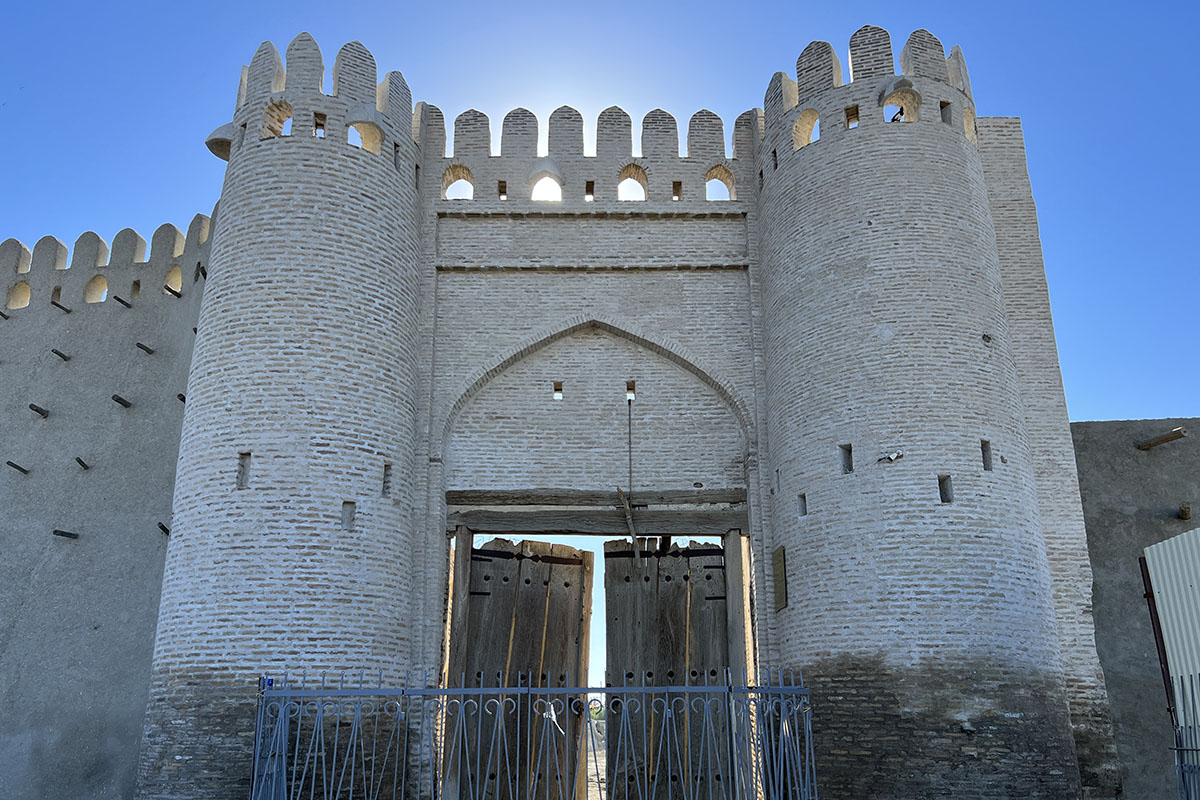
– Another of Bukhara’s ancient gates, this one giving insight into the city’s historic defenses
After the bazaar, visit the Talipach Gate, another of Bukhara’s ancient entrances. This gate offers further insight into the city’s historic defences and urban planning. It is currently under restoration.
Bukhara Countryside Private Tour with Transport
The best part about having a guide is learning so much more than you ever would on your own! For a great tour, check out the one below:
3. Sitorai Mokhi Khosa Palace (Summer Palace)
– The summer palace of the last Emir of Bukhara, blending Russian, European, and Central Asian styles
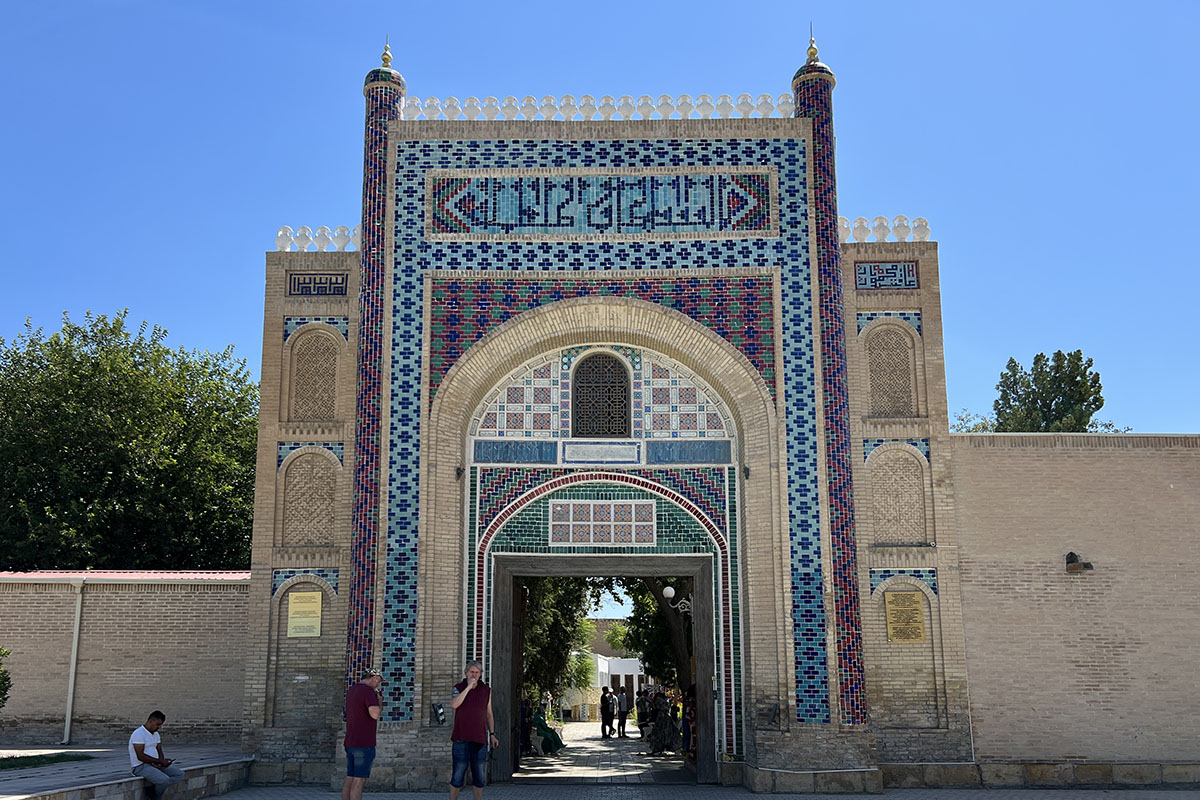
Begin your final day in Bukhara with a visit to the Sitorai Mokhi Khosa Palace, also known as the Summer Palace of the last Emir of Bukhara. Located a short drive from the city center, this early 20th-century complex showcases a unique blend of Russian, European, and Central Asian architectural styles. The palace grounds include beautiful gardens, a mix of traditional and modern buildings, and a museum displaying artifacts from the Emirate period.
As you explore the palace, pay special attention to:
– The lavish reception halls with their mix of European and Central Asian decor
– The Emir’s private quarters, including the harem area
– The traditional Uzbek-style guest houses in the palace grounds
– The peacock-themed pavilion, a whimsical addition to the complex
The Sitorai Mokhi Khosa Palace offers a fascinating glimpse into the lifestyle of Bukhara’s last ruling dynasty and the changes brought about by increasing Russian influence in the region. This was one of my favourite places in Bukhara.
4. Palace of the Emir of Bukhara
– The palace was built in 1895 to host Tsar Nicholas II
– The architecture combines European and Central Asian influences, symbolizing Russian presence
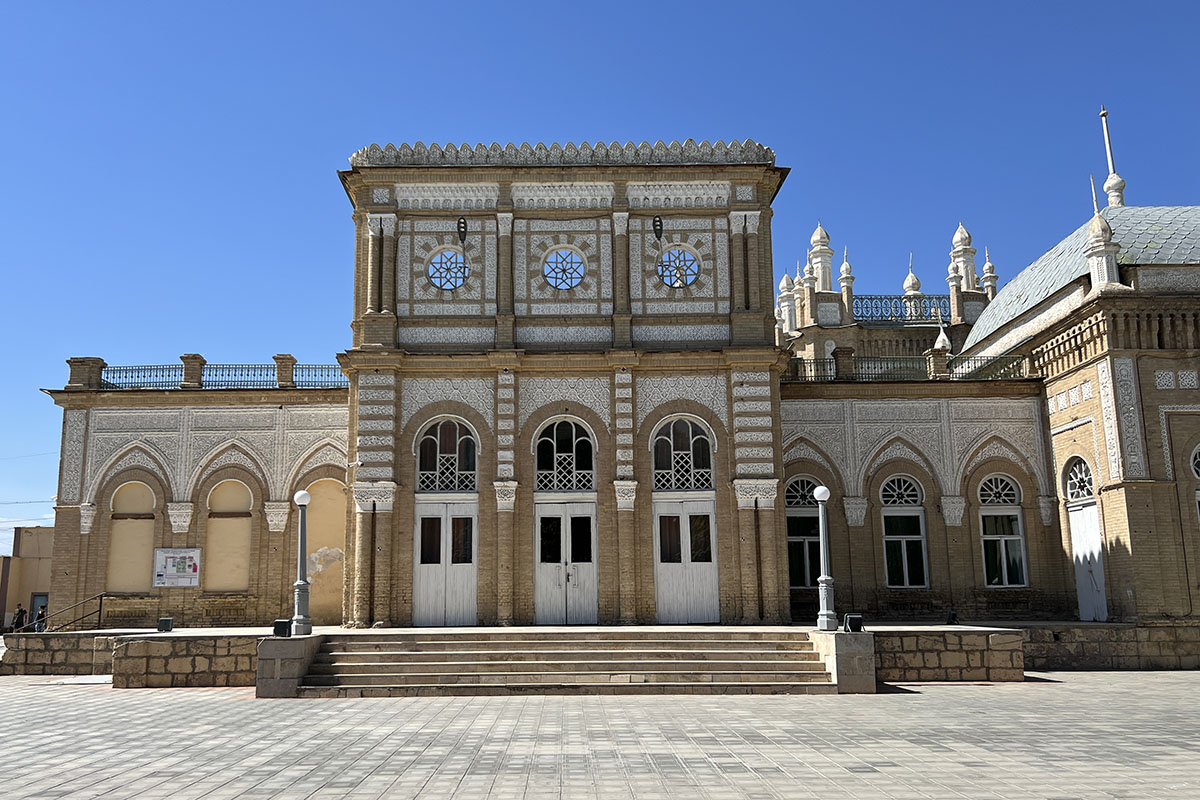
The Emir’s Palace in Kagan, located near Bukhara, was constructed in 1895 to welcome Tsar Nicholas II. The palace blends European and Central Asian architectural styles, reflecting the influence of Russia over the Emirate at the time.
Once a lavish residence, the palace now shows signs of wear but retains its historical charm, with impressive facades and decorative interiors.
The palace was closed to visitors when I went, but it was undergoing restoration. I do hope the previous grandeur is restored for such a beautiful building.
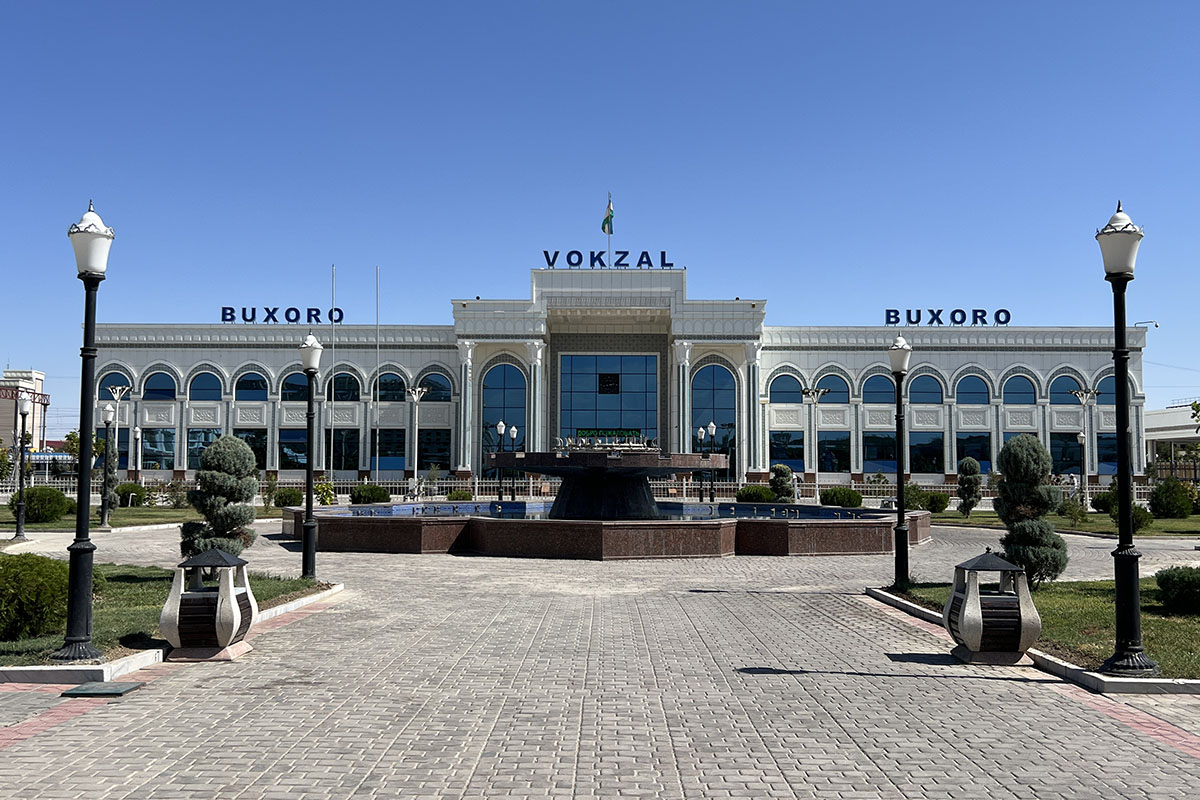
Being just across the road from the Bukhara train station, it’s a great place to visit if you’ve got a little bit of time left in your day.
5. Lunch Break
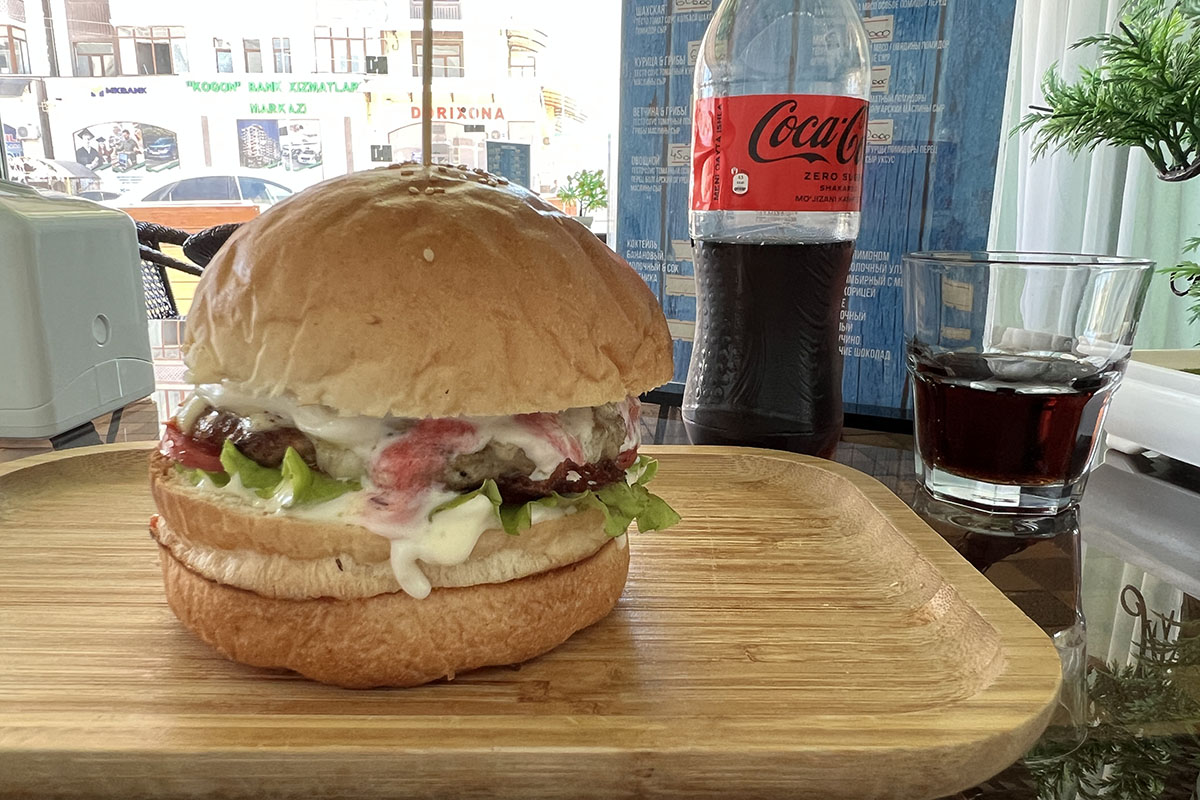
For your final lunch in Bukhara, choose a restaurant that offers a mix of traditional and contemporary Uzbek dishes. This is your last chance to savour local flavours before departing. Consider trying:
– Naryn: A dish of finely chopped meat and noodles
– Beshbarmak: A hearty meat and noodle dish popular throughout Central Asia
– Bukhara plov: A local variation of Uzbekistan’s national dish, known for its unique preparation and rich flavors
As you enjoy your meal, reflect on the incredible journey through time you’ve experienced in ancient Bukhara over the past few days.
6. Train from Bukhara to Samarkand
As your 3-day itinerary in Bukhara comes to an end, it’s time to prepare for your onward journey. Many travelers choose to continue their Uzbekistan adventure by taking the train from Bukhara to Samarkand, another jewel of the Silk Road.
Make your way back to Bukhara train station with plenty of time to spare so you can stock up on some snacks for the next part of your journey.
Here are some practical details for ending your Bukhara journey and moving on to Samarkand:
1. Booking tickets: It’s advisable to book your train tickets in advance, especially during peak travel seasons. Don’t leave booking tickets until the last minute as the tickets quite often sell out.
2. Train options: There are several daily trains connecting Bukhara and Samarkand. The high-speed Afrosiyob train is the fastest and most comfortable option.
3. At the station: Arrive at least 30 minutes before your departure time. The train station in Bukhara is relatively small and easy to navigate.
4. On the train: The journey offers beautiful views of the Uzbek countryside. Keep your camera handy to capture the changing landscapes.
5. Arrival in Samarkand: Upon arrival, you’ll be greeted by the sight of Samarkand’s iconic blue domes in the distance, setting the stage for your next Central Asian adventure.
Where to stay in Bukhara
There are so many places to stay in Bukhara, but my recommendation would be to stay within easy walking distance of the main attractions.
Hotel Omar Khayyam
Located in the heart of Bukhara’s old city, this hotel offers easy access to major attractions like the Kalyan Minaret and Ark of Bukhara. It blends traditional Uzbek decor with modern comforts, making it ideal for history enthusiasts.
Amelia Boutique Hotel
With its fusion of traditional design and modern amenities, Amelia Hotel is perfect for travelers seeking comfort and elegance. The hotel’s close proximity to Nodir Devonbegi Madrasah makes it convenient for sightseeing.
Hotel Asia Bukhara
This larger, more modern hotel is great for those seeking amenities like a pool and restaurant. Located near Bukhara’s historic center, it’s ideal for families and groups looking for comfort and convenience.
Sasha & Son Hotel
Situated in a renovated 16th-century Jewish merchant’s house, this hotel offers a unique stay combining history and hospitality. Its traditional architecture and cozy atmosphere appeal to travelers looking for an authentic local experience.
Boutique Hotel Minzifa
This charming boutique hotel offers an authentic Uzbek experience with beautifully decorated rooms and personalized service. Its peaceful courtyard and central location make it a great base for exploring the city’s historic sites.
Final Thoughts on Bukhara
As you bid farewell to Bukhara, take a moment to reflect on the incredible journey you’ve experienced over the past three days. This ancient city, with its well-preserved architecture and rich cultural heritage, offers a unique window into Central Asian history.
Let’s recap the highlights of your 3-day Bukhara itinerary:
– Day 1: You explored the heart of old Bukhara, visiting iconic sites like the Kalyan Mosque and Minaret, the Ark fortress, and the Ismail Samani Mausoleum.
– Day 2: You delved deeper into Bukhara’s hidden treasures, exploring lesser-known mosques, madrasahs, and the vibrant bazaar.
– Day 3: You experienced the royal side of Bukhara with visits to the Summer Palace and the Emir’s residence within the Ark.
Bukhara is truly a must-visit destination for history lovers and those seeking a deep cultural experience in Central Asia. The city’s well-preserved old town, a UNESCO World Heritage site, transports visitors back to the heyday of the Silk Road, offering a tangible connection to centuries of trade, scholarship, and spiritual significance.
As you continue your journey through Uzbekistan, you’ll find that Bukhara’s charms complement those of other major destinations like Samarkand and Tashkent. Each city offers a unique perspective on Uzbekistan’s rich history and culture:
– Samarkand: Known for its stunning Registan Square and the mausoleum of Timur, Samarkand showcases the grandeur of the Timurid empire.
– Tashkent: Uzbekistan’s modern capital blends Soviet-era architecture with traditional Uzbek style and offers excellent museums and vibrant bazaars.
Additional travel tips for your Uzbekistan adventure:
1. Best time to visit: Spring (April to May) and autumn (September to November) offer the most pleasant weather for sightseeing.
2. Local cuisine: Don’t miss trying Uzbek national dishes like plov, shashlik, and samsa throughout your trip.
3. Shopping: Bukhara is famous for its carpets, ceramics, and textiles. The old town and bazaars are perfect for souvenir hunting.
4. Respect local customs: Uzbekistan is predominantly Muslim. Dress modestly, especially when visiting religious sites.
5. Stay hydrated: Bukhara’s arid climate can be challenging, especially in summer. Carry water with you during your explorations.
6. Learn a few Uzbek phrases: Locals appreciate visitors who make an effort to speak a few words of their language.
For more tips and information read this article:
Ultimate Uzbekistan Travel Guide – Travel Tips and Important Information
As you leave Bukhara, you’ll carry with you memories of its stunning architecture, the warmth of its people, and the echoes of its 2,000-year history. Whether you’re continuing to other destinations in Uzbekistan or heading home, the magic of ancient Bukhara will undoubtedly stay with you, inspiring future adventures along the Silk Road.
Further Reading
Ultimate Uzbekistan Travel Guide – Travel Tips and Important Information
The four best places to visit in Uzbekistan
From Monuments to Markets: One Day in Tashkent Itinerary
Exploring Uzbekistan’s Open-Air Museum: 2 Days in Khiva Itinerary
Delights of Samarkand – Perfect 3 Day Samarkand Itinerary